Looking for Brick Slips for facade systems?
Visit our dedicated website.
Looking for Brick Slips for facade systems?
Visit our dedicated website.
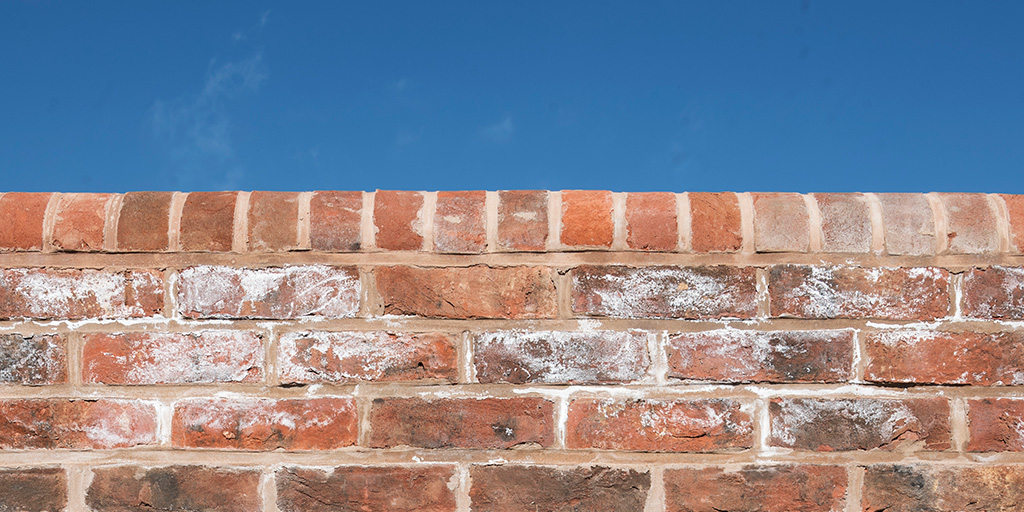
You’ve lived in your home for a while now, maybe even a few years, and one day you go outside and happen to notice white, powder-like marks on your brickwork.
Your first thought is probably one of disdain, especially if you’ve never seen it before. But don’t panic, it’s more common than you may realise.
We’ll run through what this white stuff on your bricks is, how to remove it, and how to prevent it for any new brickwork in the future.
If you already know what it is, jump to how to remove efflorescence instead.
Efflorescence is the deposit of crystalline salts on the surface of brickwork or mortar, which appears in a powdery white form, though sometimes can be yellow, brown, or green, depending on the salt origin and accompanying chemicals.
Although unsightly and undesirable, efflorescence is temporary and usually harmless.
Efflorescence in bricks is caused when soluble salts within bricks or mortar combine with water and dissolve. As the brickwork dries, the moisture is drawn out to the surface of the bricks and evaporates, leaving salt deposits behind.
Soluble salts include sulphate or carbonate compounds of calcium, sodium, potassium, and magnesium, and are present in all brickwork.
There are several factors that can contribute to brickwork efflorescence. These include:
Any combination of these can contribute, but the most common are high soluble salt content and excessive moisture saturation.
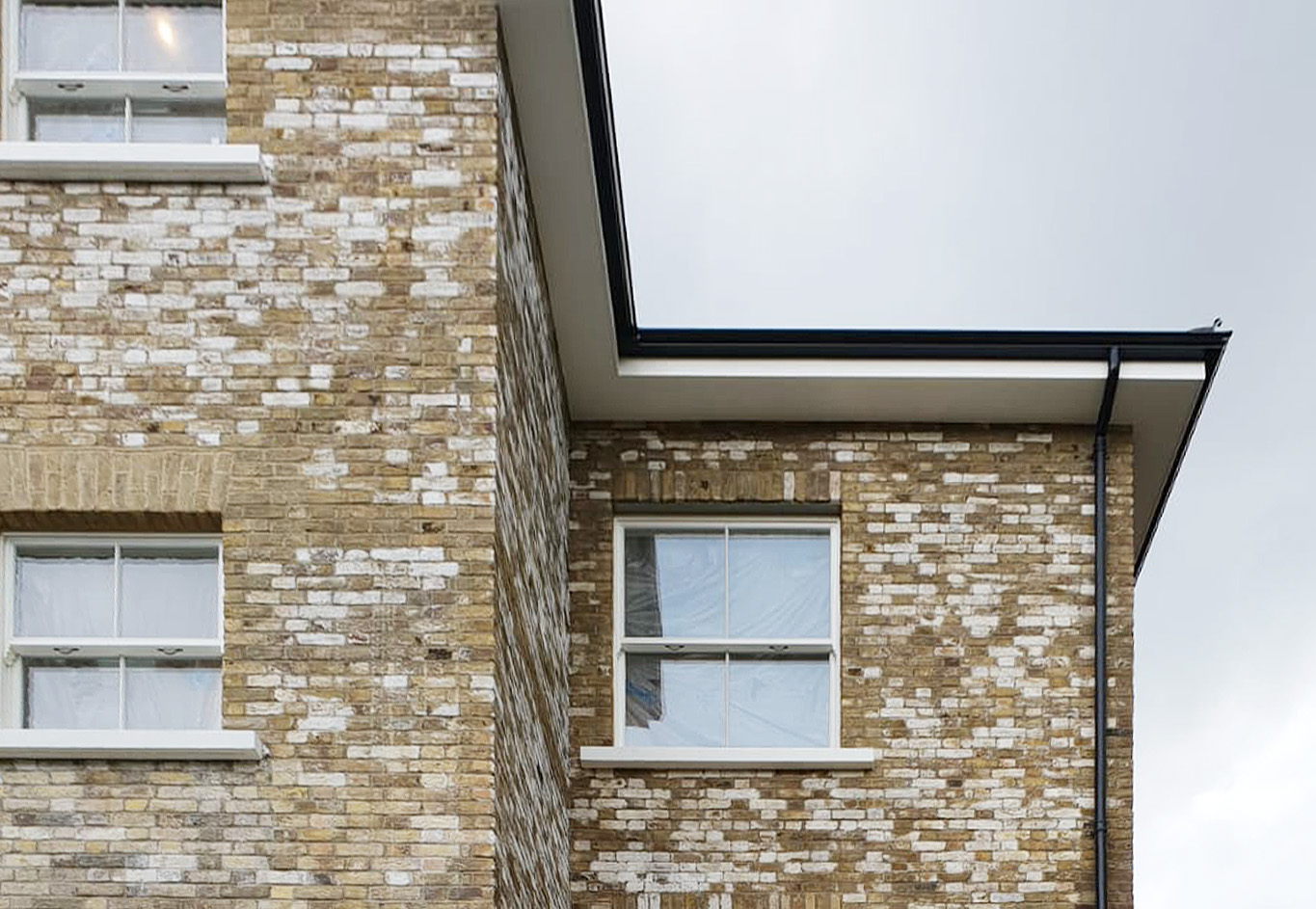
Spring is the most common time of year you’ll see salt coming out of bricks, but as we live in the UK, it can make an appearance any time.
New brickwork, and therefore newly built homes and garden walls, are most susceptible to efflorescence during the Spring after build completion. After a Winter of saturation from rainfall, the warmer weather dries out the brickwork and draws out the salts.
It’s worth noting that efflorescence can also occur during a building’s construction phase, especially if building work is being done during the colder Winter months.
There are three main ways to tackle the removal of efflorescence from brickwork:
Let’s run through each of these to help you figure out the best course of action.
Efflorescence may decrease or disappear as the weather warms up more, so the first course of action should be to leave it and allow it to weather naturally.
As the salts are water soluble, they can be removed by rainfall or reabsorbed back into the body of the bricks if left alone.
We know, it looks awful and this one is a waiting game, but it’s worth it – even if the salt deposits are severe and it only reduces a little, it still means you’ll have less to treat later.
If you’ve tried leaving it but the salt deposits are stubborn, or you just didn’t want to wait, you can aid removal by brushing the masonry with a stiff brush. This should help loosen the salts. A nylon hand brush or long-handled broom is usually sufficient, but do not use a wire brush as it can damage the brickwork.
Once you’re done, rinse the bricks with water. Water rinsing helps dissolve the salt deposits and allow them to run off, though be aware this can bring more salts to the surface as the masonry dries. If this happens, repeat the brushing and rinsing process again.
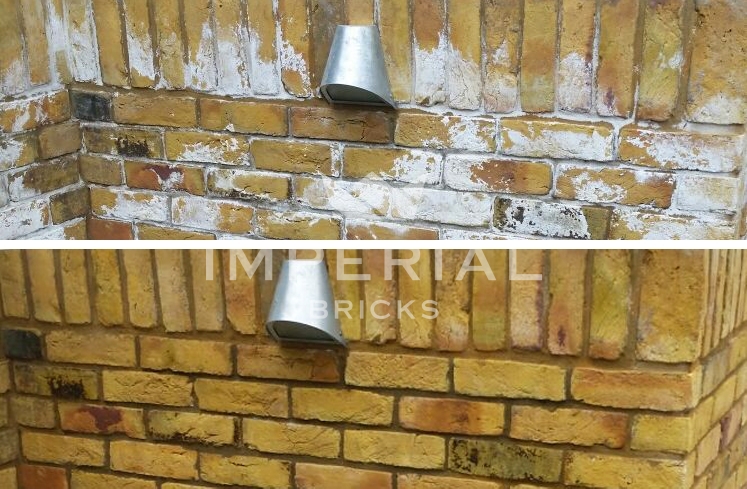
Above: Example of efflorescence removal by brushing and rinsing the brickwork
If the efflorescence persists following brushing and water rinsing, the masonry can be treated with a weak acidic solution.
There are several efflorescence-specific removers you can buy from various manufacturers which dissolve the salts more effectively than water. But with this comes a warning – make sure you check the product is compatible with your type of bricks and follow their instructions carefully. Acidic solutions can damage bricks and mortar, especially if not diluted properly.
After the first removal, efflorescence often doesn’t return. However, persistent, recurring salt deposits can indicate a design or construction fault that’s allowing the brickwork to become and remain saturated.
In this case, the root cause of the brickwork saturation must be addressed first, ideally by a masonry professional.
It’s worth a quick mention here, that if you have consistently saturated bricks, efflorescence can actually be an early indicator of future brick spalling. Unlike efflorescence, this isn’t something which has an easy remedy. If you suspect moisture isn’t being managed properly in your brickwork, this is definitely the time to give a masonry specialist a call.
We know, prevention is a little late when you already have it. This only really applies if you’re considering a new-build home or are planning to undertake a self-build, so we’ll keep it short.
To prevent brick saturation which can lead to persistent efflorescence, here are a few things to watch for during the construction phase:
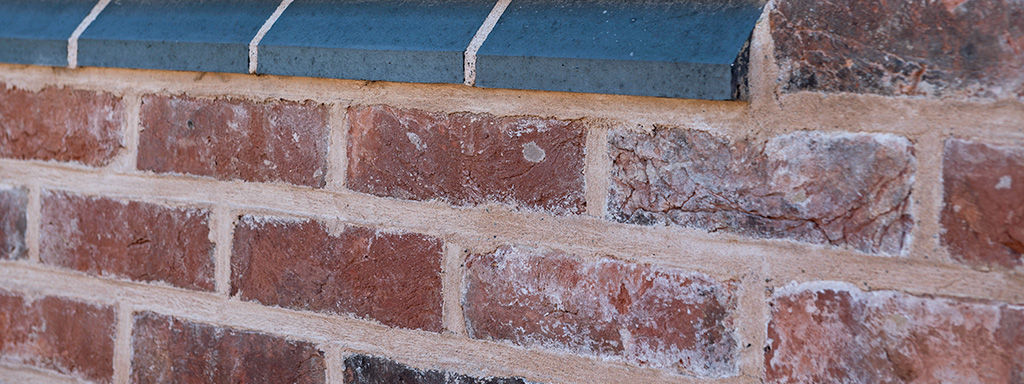
In accordance with the current British Standard BS EN771-1, clay bricks supplied to the UK market must be tested for their soluble salt content. The categorised limits of this testing are S2 for lower salt content and S1 for higher.
Choosing bricks classified with S2 rating for soluble salt content can reduce the chance of efflorescence forming.
Efflorescence is a common concern for homeowners and builders alike. It’s not pretty, but it’s often nothing to worry about and is removable using the methods we’ve covered.
If you’ve worked through all of the removal options and the problem persists, it could be a sign of an underlying moisture issue. In this case, we recommend speaking to a local masonry specialist.
If you’re planning any building work in the near future, you already have experience of dealing with efflorescence and can feel confident in knowing how to treat it if needed. There’s also steps you or your builder can take to prevent it appearing later on. Just to recap, make sure bricks are stored properly on site to prevent saturation, and ideally, they should be S2 rated for soluble salt content.
Please note that although the information published by Imperial Bricks Ltd is believed to be accurate at the time of publication, it is strictly for guidance only and Imperial Bricks does not accept any liability for its use or any losses occurred.