Looking for Brick Slips for facade systems?
Visit our dedicated website.
Looking for Brick Slips for facade systems?
Visit our dedicated website.
If you’re here you’ve probably seen it somewhere, maybe on an old building or wall, or even your own property.
Brick spalling (also known as blown bricks) is unsightly. It looks like the brick face (the part of the brick you can see in a wall) has just… crumbled or fallen off.
If your house bricks have started doing this, or you’re intending to buy a property where the brickwork looks a bit like someone took a chisel to the bricks, you’re quite rightly going to want to know what’s going on.
Fear not, this guide covers what brick spalling is, what to look out for, common causes, and repair work.
Brick spalling, also known as blown bricks, is where the face (outside) of the brick has broken away and left the inside of the brick exposed.
It looks like the brick is crumbling or flaking, and the inside of the brick will appear pitted and may have a ‘hollowed’ shape.
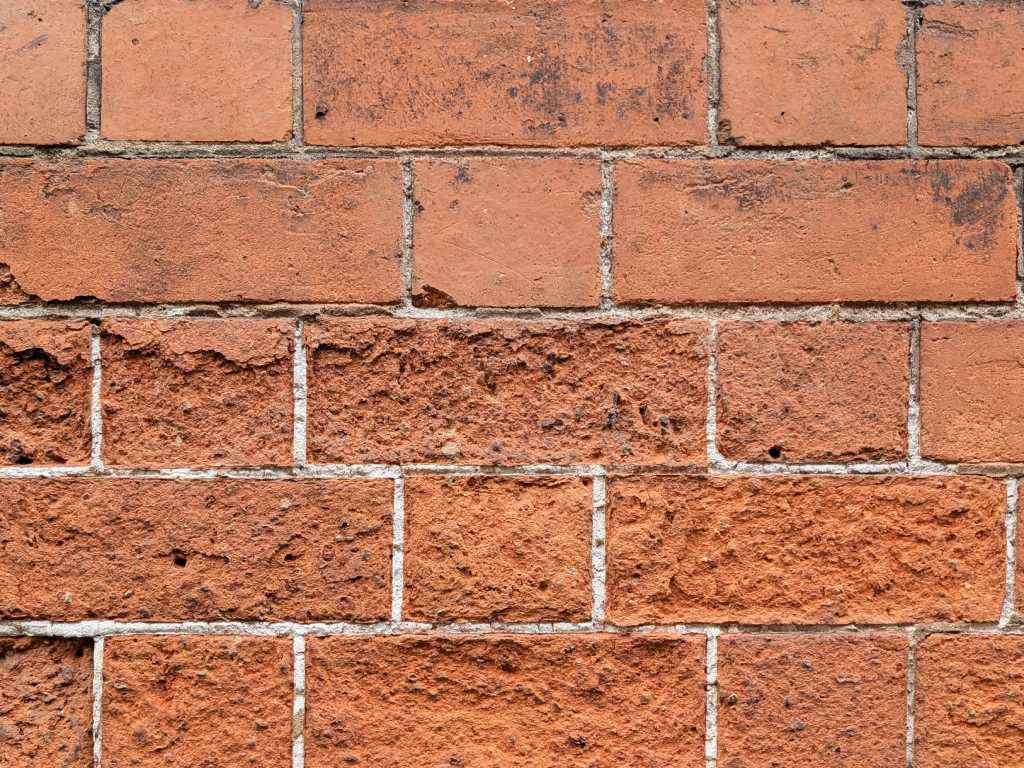
It’s caused by water or moisture becoming trapped in the brick, and if not addressed, can lead to future issues such as damp and structural problems.
If you’re dealing with spalling, don’t panic. It’s more common than you think, especially for older British properties. Severe issues tend to take a long time to materialise, so the fact you’ve caught it now works in your favour.
If you already have it, you might be thinking ‘it’s a little late to be explaining the signs of spalling to me’, and you’d be right. However, being aware of the earliest signs could help you spot it in the future, giving you a chance to take action before it develops to the later stages.
The most obvious sign is the surface of the brick starting to crumble and flake off. This can be very minor to begin with, but you’ll start to see the inside of the brick which will look rough and have a pitted texture.
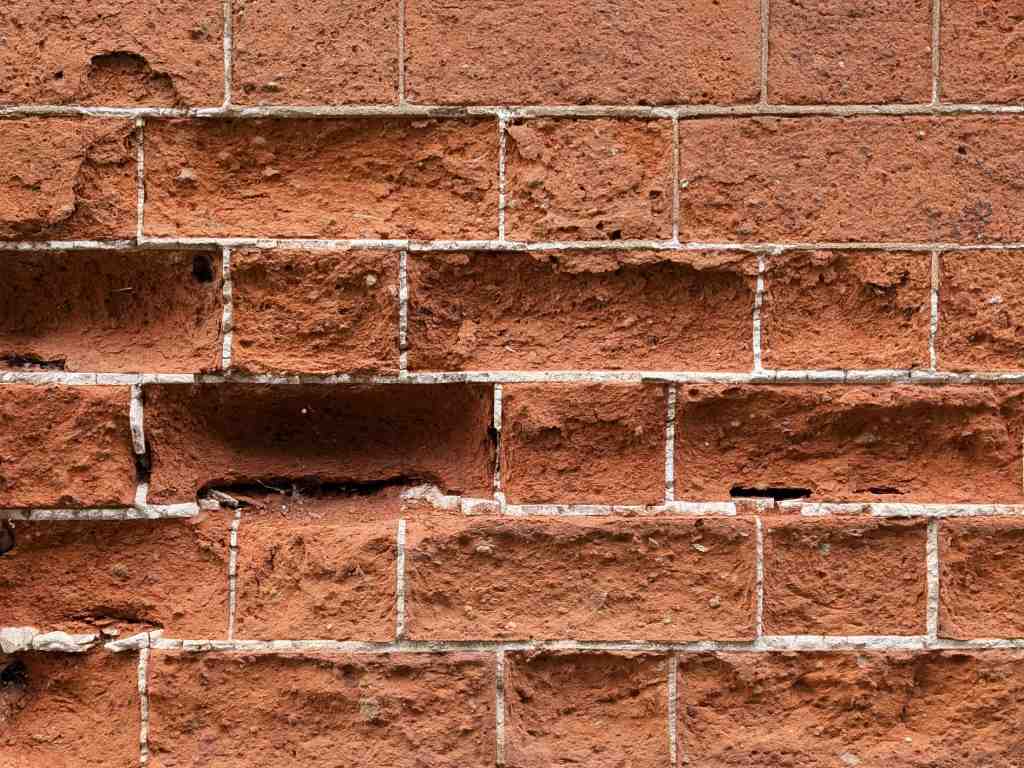
You’ll often notice the centre of a brick crumbling away first, and touching it might dislodge some ‘powder’ or small pieces.
The edges of the brick are usually held in place by the mortar so the middle ‘blows out’ first. Left to its own devices, it will gradually spread outwards creating a deep concave or hollowed shape.
Mortar plays a role in the problem (we’ll get to this later) and if it isn’t compatible with the bricks, or wasn’t laid properly, one of two things can happen.
An early sign is noticing cracking or chipping in the mortar joints. Over time, mortar can break away, leaving the edges of the bricks exposed and vulnerable to water getting in. This can accelerate spalling.
The second is less of a sign and more of a confirmation of what you’re looking at. Once bricks begin to spall and the face recedes, the surrounding mortar can remain rigid and protrude around the edges of the hollowed brick.
You may have heard of, or seen brickwork efflorescence before. Without getting into the technicalities, it’s a white, powdery substance that appears on the surface of brickwork.
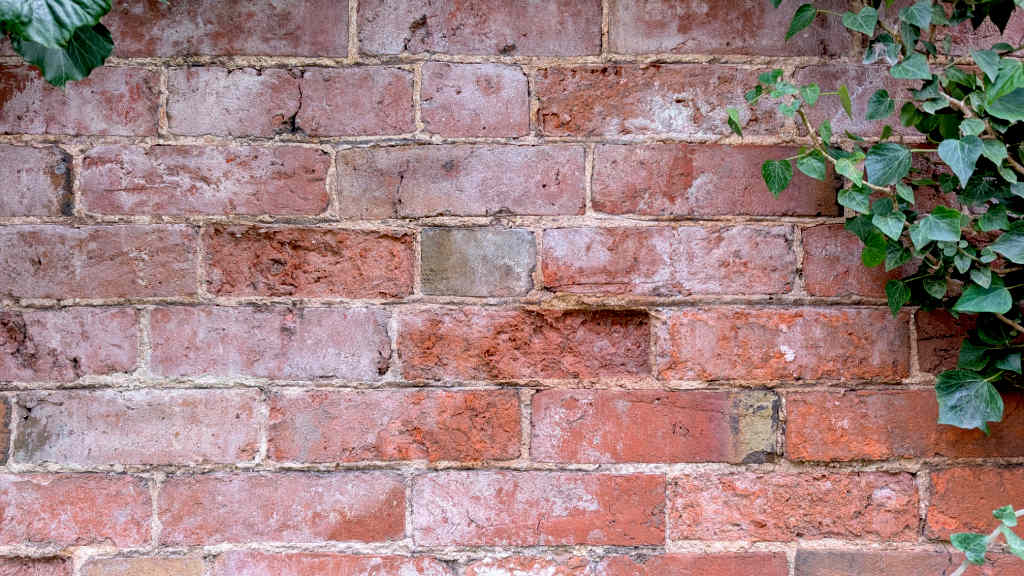
It’s not a cause or definite indicator of future spalling, but it does mean there’s significant moisture moving through the bricks and it’s worth keeping an eye on the brickwork in the near future.
In the early stages no, spalling bricks are not dangerous. It’s primarily a cosmetic issue which will need rectifying, usually by replacing the affected brick(s) and repointing the surrounding mortar.
However, if left to develop over a long period of time without addressing the root cause, it can lead to internal damp issues and eventually affect the structure of the wall.
Context is key here though. If you’ve noticed spalling on a couple of bricks in your garden wall, it’s much less of a worry than if half the bricks on the side of your house have severely blown faces.
On a basic level, brick spalling is caused by water becoming trapped inside a brick. In cold weather the trapped water freezes and expands, then contracts when it thaws. This process repeats over time, damages the structure of the brick and causes the face to ‘blow’ off. This is why they’re often called ‘blown bricks’.
If you’re thinking… ‘But don’t all bricks get wet?’
Yes they do, and that’s fine.
Clay bricks are naturally porous. When they get wet they absorb some water, then as they dry the water evaporates.
The problem isn’t the bricks getting wet, it’s what happens when they become saturated, can’t dry out properly, and freeze.
To help you understand further, we’ll look at the effects of the freeze-thaw process in more detail.
Spalling happens when a brick becomes fully saturated with water, leaving no air voids within its structure. Think of it as the brick having small ‘pores’ fully filled with water.
When Winter arrives and temperatures drop below zero, the water in bricks freezes.
Water expands when it turns to ice, but if a brick is fully saturated there’s no air voids left to accommodate the expansion, so the pressure damages the internal brick structure. Over repeated freeze-thaw cycles, this outward pressure eventually causes the face of the brick to break away.
The spalling of bricks is a slow process – not the effect of a single night of freezing temperatures, but repeated freeze-thaw cycles across multiple Winter periods.
It’s worth mentioning here that the more exposed the brickwork, the greater the risk of spalling. For example, a single skin garden wall is much more exposed than a cavity wall on the side of a house. In the wall, both faces of the brick are subjected to rain, frost and wind, meaning saturation is more likely and deterioration can happen faster.
A quick lesson in the role of brick mortar.
As a rule, mortar should be softer and more porous/breathable than the bricks it’s used with.
Mortar is designed to not only hold bricks together in the correct bond, but also be flexible to support the natural expansion and contraction of the bricks in varying temperatures, and breathable enough to allow excess moisture to escape.
Should anything go wrong with the wall, mortar is intended to be the first element to break down. Repointing mortar is much simpler and less costly than replacing bricks.
Historically, lime mortar was always used with handmade bricks as it’s softer and more breathable, yet extremely strong and hard-wearing. As manufacturing methods progressed and machine-made bricks became the norm, cement mortar was used instead. It’s cheaper, dries quicker, is highly weatherproof and takes much less time to cure than lime. For harder, denser bricks it quickly became the go-to type of mortar widely used today.
So, how is this relevant to spalling issues?
When bricks are laid using a mortar that’s too hard it can affect the flexibility of the wall, trap water in the bricks and contribute to spalling in years to come. Handmade bricks are more susceptible to this, their higher porosity levels mean they absorb more moisture and have a higher dependency on the mortar.
Using the wrong mortar for the brick type isn’t a minor issue. It can directly impact the life of your brickwork.
The conditions in which bricks are laid can either help to manage moisture, or end up trapping it.
We’ve already discussed how brick porosity matters, but it also needs considering when bricks are being laid. If moisture isn’t managed properly at the build stage, it can set bricks up for failure and spalling later on.
Though this is only relevant to bricklaying, it’s still helpful to be aware of as a potential contributing reason for the spalling of bricks.
We know, sounds a bit technical doesn’t it?
If you don’t know what it is, all you need to know is IRA refers to the level of water bricks absorb within the first 60 seconds (lab test) or 90 seconds (on-site test) of coming into contact with water.
If the level is too high, bricks need to be wet by the builders before laying, otherwise they draw moisture from the wet mortar. This prevents the mortar curing and bonding to the brick properly and leaves unseen gaps.
Not only can it cause structural issues with the wall, but when it inevitably rains water will find its way into these gaps. It’ll freeze and expand during the cold Winter temperatures and over time, cause the bricks to spall.
As the old saying goes, prevention is better than cure.
While prevention won’t fix bricks that have already spalled, it can restrict the problem from spreading further. It’s also useful to know if you’re planning any building work in the future.
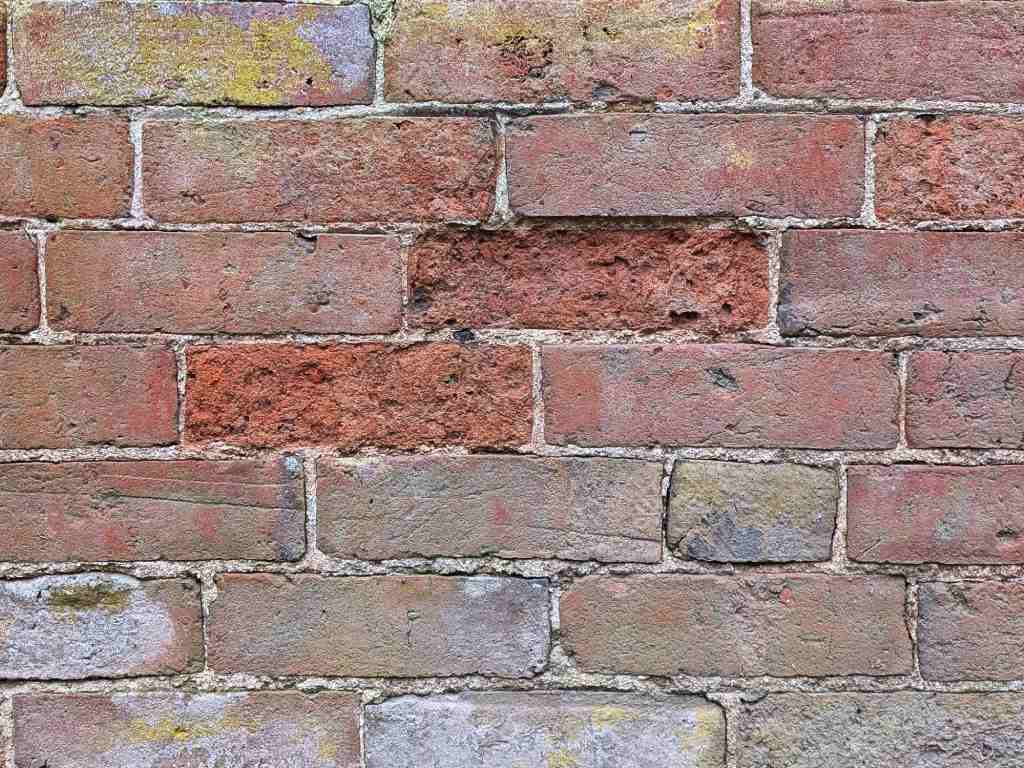
Above: Notice how spalling gradually spreads. The upper spalled brick has caused the mortar above to break away due to lack of support, leaving the underside of the bricks above vulnerable to excess water ingress.
It’s pretty simple advice, but checking gutters aren’t blocked and there’s no visible water seeping down brickwork can prevent spalling issues later on. If you do notice any overly-wet areas of brickwork, it’s best to get a builder or surveyor in to check it.
An existing building should already have damp proof coursing (DPC) in place. This is a barrier built into the lower courses (rows) of brickwork to stop ground moisture rising up into the wall. In older buildings this was often engineering-quality bricks; in modern builds it’s typically a plastic membrane laid within the mortar courses.
It’s unlikely, but if you see any damage to the DPC area, it’s best to get it looked at asap.
Different types of bricks have different purposes, and all come with a technical data sheet that lists the brick’s test results and usage suitability.
You’re probably only interested in facing bricks (the ones you see on the outside of a building) because let’s be honest, you can leave everything else to the architect and builder.
For exposed brickwork to withstand the demands of British weather, facing bricks should be F2 rated for frost resistance.
Aside from that, let the professionals worry about the rest.
We’ve already explained how incompatible mortar can cause blown bricks later down the line, but how do you make sure the right mortar is being used for any new building work?
Honestly, leave it to the builder.
Yes, we know this seems like a cop-out answer, but there are many mortar mixes suited to different brick types, exposure levels and applications. Getting it wrong can cause long-term problems, so it’s best left to the professionals.
The only thing we’d recommend is considering using a lime mortar if you’re building with genuine handmade bricks. Handmade bricks are more porous than machine-made, so require a softer, more breathable mortar.
Lime is also considered more sympathetic to older or period properties, so if you’re working on a heritage or traditional build, it’s worth considering.
Unfortunately, most spalled bricks can’t be repaired and will need replacing.
If you’re only seeing the first signs of spalling, you might be tempted by a ‘quick fix’ like surface patching. The reality is this rarely lasts and just covers the problem rather than fixing it. If the front face of the brick has already broken away, it’s best to replace it. Most masonry professionals can do this, and they should also be able to brick match the replacements to your existing wall so they blend in.
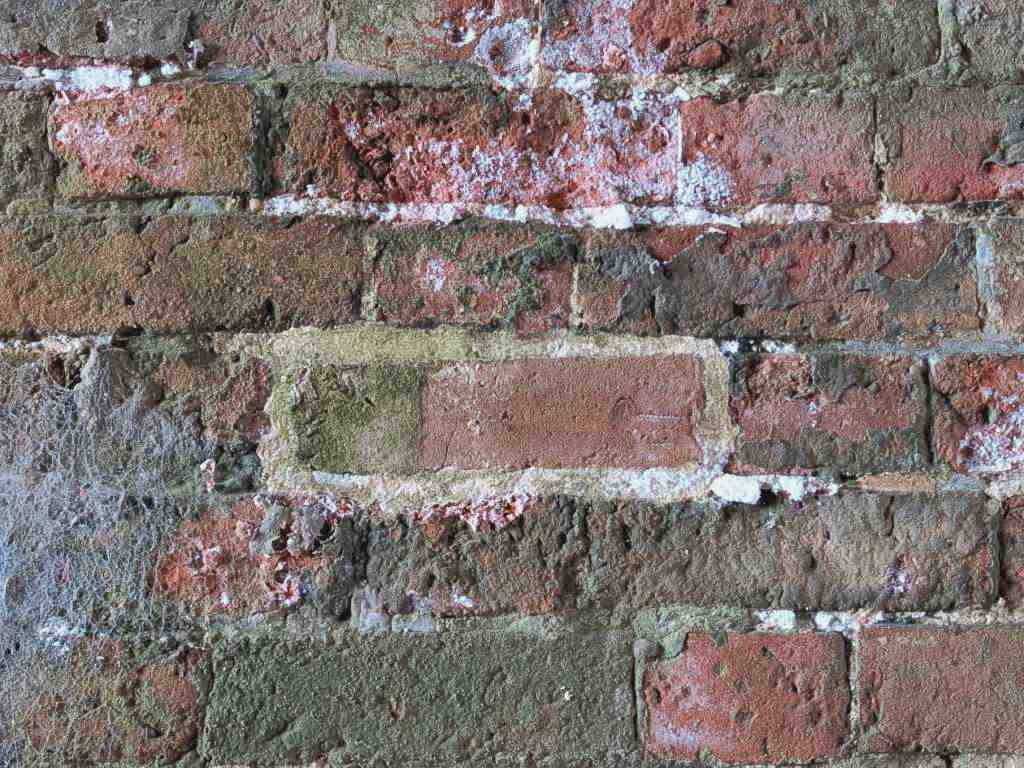
Above: A previous single mismatched brick replacement in an old wall. This did not stop the surrounding bricks spalling because the underlying moisture problem was never resolved.
A masonry professional should also assess the root cause of the spalling. If it’s mortar or brick related, they can address it directly. If it’s a drainage issue, they can help identify it, but you’ll need to get a builder or drainage contractor involved.
There’s no use just repairing the bricks if there’s problems with inadequate drainage for example, it’ll just happen again.
Brick spalling might seem like a cosmetic issue at first, but it should be taken as a warning sign that moisture isn’t being managed properly through your brickwork.
If left to its own devices, it can progress over extended periods of time, so it’s best to address it now.
If you’re already seeing spalling/blown bricks:
If you’re planning new brickwork, ensure:
You should have enough knowledge to go and get those unsightly spalled bricks looked at, and know what to look out for on your next build project.
If needed, we can help you source matching bricks for repair work. We also supply a large range of traditional machine made and handmade facing bricks which are designed to stand up to the onslaught of the British weather.