Looking for Brick Slips for facade systems?
Visit our dedicated website.
Looking for Brick Slips for facade systems?
Visit our dedicated website.
Brick colours seen around the UK are rarely the result of a purely aesthetic choice.
Look around a major city or explore a region of the UK and you may notice a theme; the bricks tend to share a similar colour palette.
From the yellows of London to the reds of Manchester, the brick colours you see today are primarily shaped by the historical availability of different clay types and transport links, along with modern planning requirements.
Wondering why you might not be able to build a new house in Liverpool using yellow bricks? Curious about why the bricks used for your home are a particular colour?
We’ll satisfy that curiosity by exploring the different brick colours found across the UK, what determines them, and what influences the final look of a finished brick wall.
Short on time? Jump to the colour or region that interests you:
Midlands and North West (Reds and Oranges) | Shires and South West (Warm Tones and Multi-Colours) | East Anglia (Buffs) | London and South East (Yellows and Stocks) | Yorkshire and North East (Browns, Darks and Multi-Colours)
When you think of brick colour, what jumps to mind? Our not-so-wild guess is red or orange.
A simple Google image search for “brick” returns pages of machine-made and handmade bricks in those colours.
It seems the universal colour association for clay bricks is red or orange, and there’s a very good reason for that.
In many areas of the world, including the UK, excavated clay has high levels of iron oxide which produces a red colour when fired. There is simply more iron-rich clay available, making reds and oranges the most widely produced and obtainable brick colours.
Brick colour is primarily determined by the minerals in the base clay and the kiln conditions in which the bricks are fired.
In the UK, clay contains different mineral compounds depending on which region it was excavated from. Combined with specific kiln conditions, these minerals produce various brick colours.
Here’s a quick breakdown of the minerals that influence traditional clay colours:
Clay colour aside, the kiln temperature and atmosphere both play an important role in determining a brick’s final colour.
Lower kiln temperatures produce softer, lighter colours, while higher temperatures create harder, darker shades. How much oxygen is allowed into the kiln during firing is equally important, as restricting it changes how clay minerals react and can turn a standard red brick into purples and blues. Spoiler alert – that’s how bricks get purple, blue and grey hues on their faces!
Think of it like baking a cake: you mix your raw ingredients, maybe add some extras to jazz it up a bit, then bake at a specific temperature for a set amount of time to get a particular result. We don’t recommend eating a brick of course, but the basic concept is similar.
Brickmakers are highly skilled at taking natural characteristics of raw clay and manipulating the kiln temperature and atmosphere to produce specific colour effects. You’ve likely seen some of these without realising. We’ll run through a few of the common ones.
Colour banding occurs as a result of how bricks are stacked in the kiln.
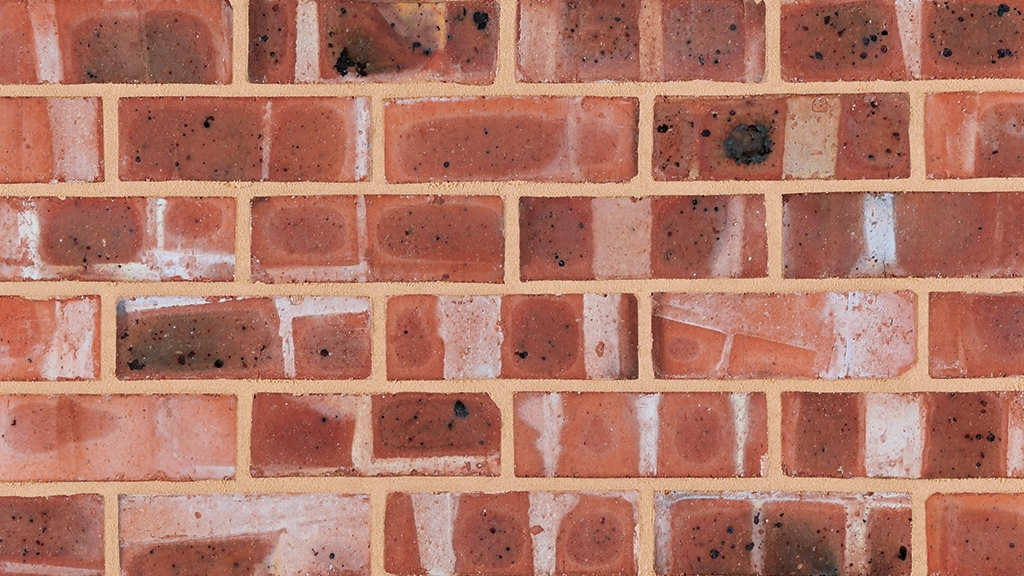
Above: Example of colour banding – Cheshire Pre War bricks
The stacking pattern restricts airflow between bricks, creating uneven heat and oxygen distribution across the faces. Some areas fire darker and others lighter, creating the banding effect.
What was once an unavoidable result of traditional kiln firing is now a desirable effect that brickmakers intentionally replicate.
Multi-colour bricks tend to have darker shades on the faces – these are often dark red, purple or blue flashes.
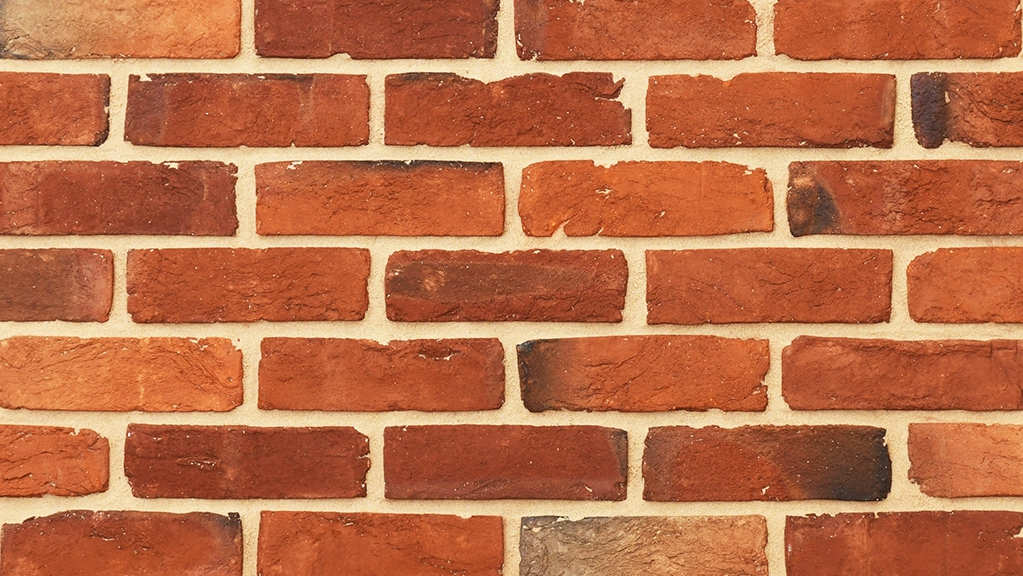
Above: Example of multi-colour bricks – Regency Ember Multi
It’s achieved using a technique called reduction firing. At a specific point during firing, oxygen flow in the kiln is restricted, preventing iron in the clay from fully oxidising. This produces those darker colour hues across the brick faces, adding character and depth that’s almost impossible to replicate artificially.
However, reduction firing isn’t the only way multi-colour bricks are created. Traditionally, handmade bricks were, and still are, fired in clamp kilns. Clamp kilns have natural temperature fluctuations and uneven heat distribution, causing bricks closer to the heat source to fire darker while those further away remain a lighter colour. This produces bricks with desirable shade variations.
Blue header bricks are produced by deliberately over-firing in a reduced-oxygen atmosphere, causing the brick to vitrify. It produces a glassy blue-grey colour and significantly reduces permeability.
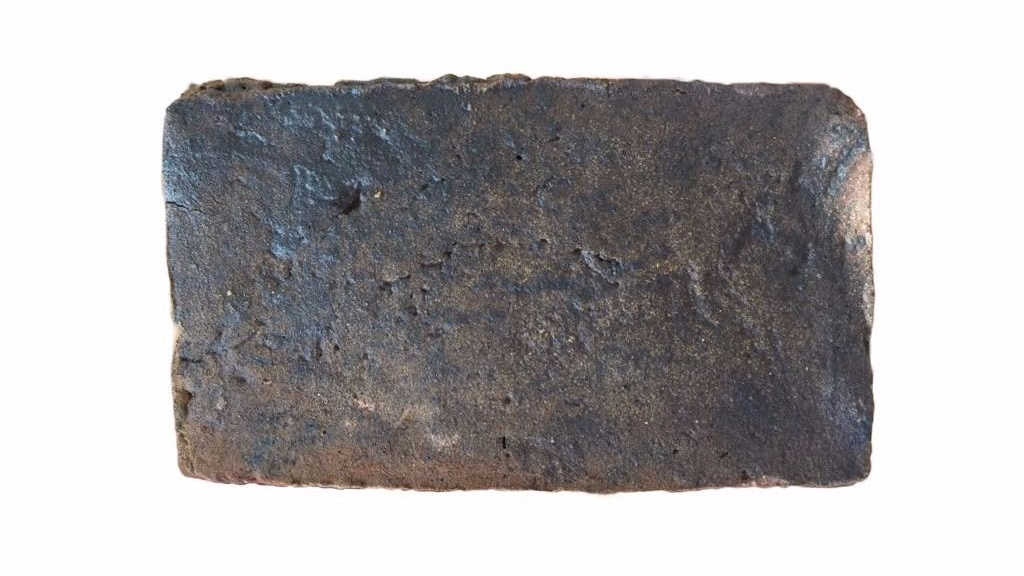
Above: Example of a blue header brick.
Historically, they were a by-product of brickmaking and repurposed as decorative header bricks. Now, manufacturers produce them intentionally for decorative brickwork bonds and architectural detailing.
Some colour effects are produced by adding mineral compounds to the base clay before firing.
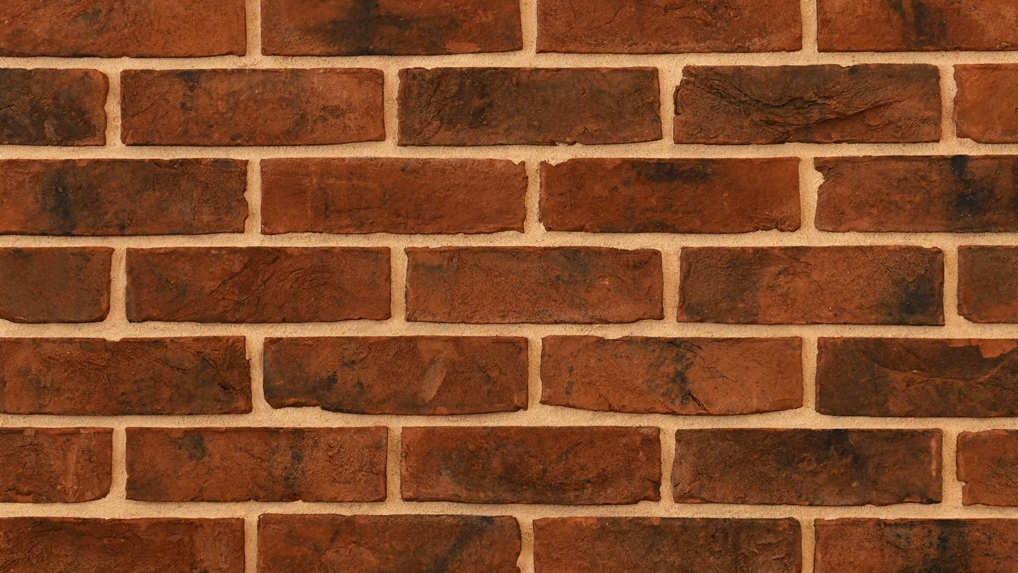
Above: Example of handmade bricks darkened with mineral additives – Urban Weathered
A classic example is manganese oxide, which is used to create brown and dark tones.
It can be added directly to the clay mix, applied to the brick mould before clay is thrown on top, or applied as a surface coating called an engobe. It bonds permanently to the brick in the kiln, producing a characterful look which can’t easily be replicated by surface treatments after firing.
Now the science is out of the way, we’ll look at why different parts of the UK ended up with the different brick colours you see today.
The location of a building in the UK has always heavily influenced the colour of the bricks used to build it.
To understand why, we need to take a quick British history lesson.
If you’d rather skip straight to your region, use the links below:
The Midlands and North West | The Shires and South West | East Anglia | London and South East | Yorkshire and North East
If we rewind to medieval times, clay bricks were made by building temporary kilns either on, or next to, clay excavation sites due to a lack of heavy goods transport facilities.
Moving heavy materials around the country by horse and cart was expensive and impractical, and though river transport was an option, it was also expensive and time intensive.
Jump forward several centuries and transport infrastructure as we know it still doesn’t exist.
The closest clay available determined the colour of your bricks, creating the regional colour variations we see today.
Generally, clay from the Midlands and North areas tends to have higher iron oxide content which produces bold reds and oranges, while South East clays contain more lime and chalk, creating those iconic buff and yellow colours of London and the surrounding counties.
We’ll take a look at each area and its typical associated brick colour in more detail.
The Midlands and North West are known for their bold orange and red brick colours, produced as a result of high levels of iron oxide in local clay.
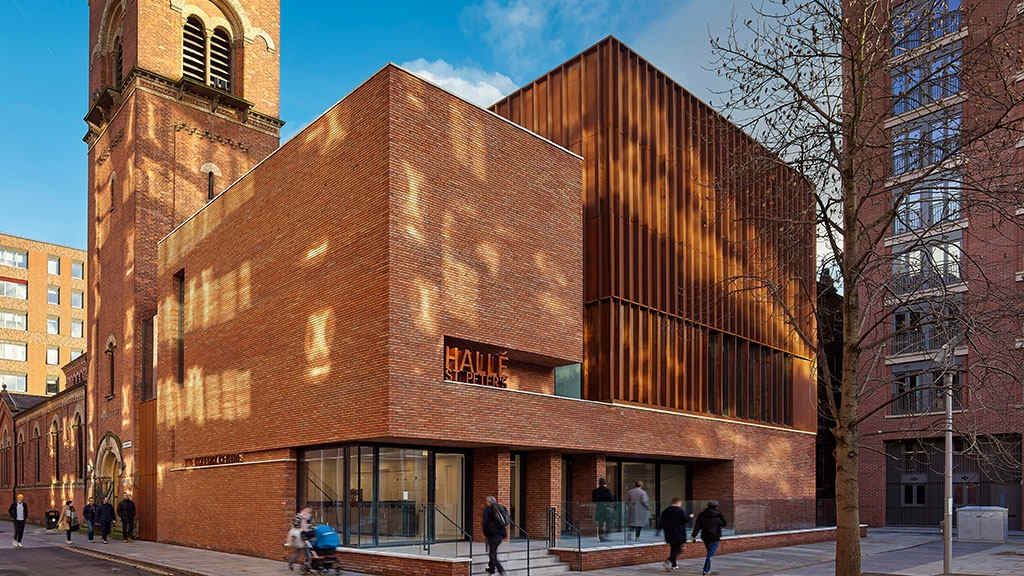
You’ll typically see Victorian wirecuts used in the inner-city streets of Manchester and Birmingham, while softer handmade textures tend to feature on the outskirts. Next time you’re in one of the big cities, take a moment to look at the brickwork and you’ll likely see streets upon streets of smooth, machine-made reds and oranges.
Though used nationwide today, the concentrated use of these colours during the Victorian era is why reds and oranges are so strongly associated with these regions.
Brick Colour Matching Tip
Pay close attention to naturally sustained weathering on brick faces when matching for extensions. Many bricks in these areas are darkened from decades of weather and pollution exposure. If you find new bricks look too clean against the original brickwork, it’s worth exploring custom weathering options.
See it in real life: Custom red weathered linear bricks were used in the redevelopment of One Silk Street in Manchester, and banded wirecut bricks were the key to the refurbishment of an old lace mill in Nottingham.
Away from the densely populated urban areas, the Shires and South West counties have a varied aesthetic of warm, earthy tones and multi-colours. Here you’ll mostly find variations of red and orange shades, with some bricks featuring brown, purple and even blue hues.
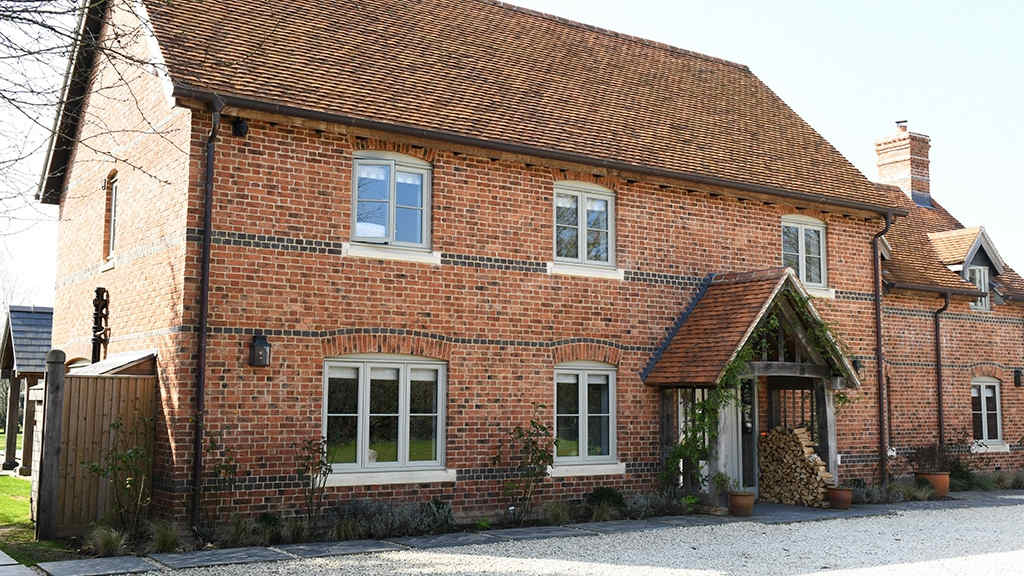
Think of the brick colours around here as the typical countryside barn aesthetic, with soft textures, blended colours and an aged appearance that naturally fits into a rural landscape.
You may still see some of those richer Midland-style bricks, especially in large towns and cities, but the region as a whole has a more varied colour palette.
Brick Colour Matching Tip
Sourcing multi-colour bricks and brick blends is much easier than you might think. There are plenty of off-the-shelf options created to suit these areas. If you struggle to find a match, many brick suppliers (including us) can create custom blends of different shade bricks to match your brickwork.
See it in real life: Multi red/orange weathered bricks with decorative blue headers were used to build a new country cottage in Berkshire.
East Anglia is well known for its pale yellow and cream brick colours with soft pink hues, created from high levels of lime and chalk in the local clay.
Known collectively as buff bricks, they’re strongly associated with Cambridgeshire and surrounding counties, but can also be found in some parts of Lincolnshire and Kent.
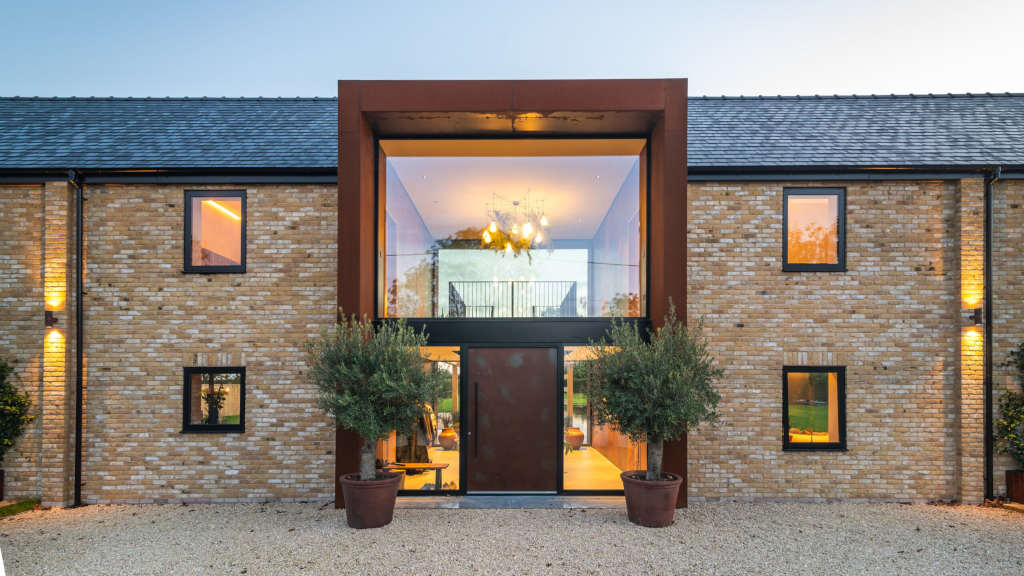
It’s worth noting that traditional red bricks still dominate some eastern counties such as Norfolk, so expect to see variances if you’re travelling through the area.
Brick Colour Matching Tip
Buff clay isn’t as widely available as iron-rich red clay, meaning there are fewer buff brick options to choose from. You may need to shop around and order samples from multiple suppliers to find a match.
See it in real life: Traditional buff handmade bricks were used for the historic Canterbury Cathedral visitor centre extension, and a Lincolnshire new build featured on Grand Designs.
London and the South East are instantly recognisable for their iconic yellow stock bricks. Chalk and ash content in the local clay produced the region’s distinctive yellow colour.
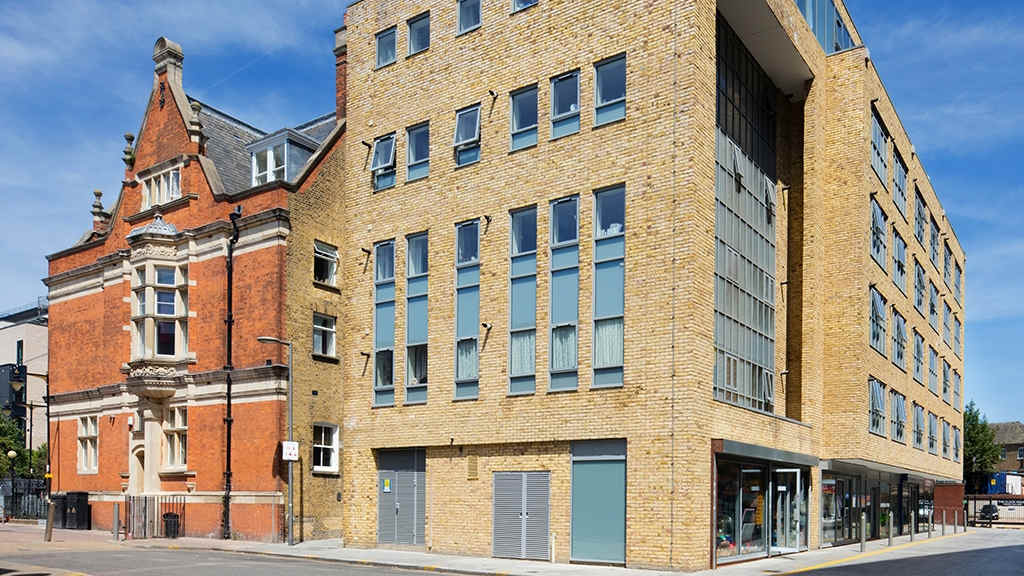
Stock bricks are most commonly yellow, but don’t be surprised if you encounter deep red stock bricks too. Historically, they were used for the side and back walls of buildings to keep material costs down, while the yellows were reserved for the front-facing façade.
Brick Colour Matching Tip
As the UK’s busiest city, London is one of the most polluted, so chances are you’ll need to source weathered brick options to match existing brickwork. Yellow stock bricks are also highly sought after, so ensure you order in advance to account for longer lead times.
See it in real life: Traditional yellow stock bricks were used in the refurbishment of the former Barking Magistrates Court, and weathered London stocks transformed Cambridge Military Hospital into modern apartments.
Yorkshire and the North East regions are characterised by dark, multi-colour bricks with blended brown, yellow and red hues.
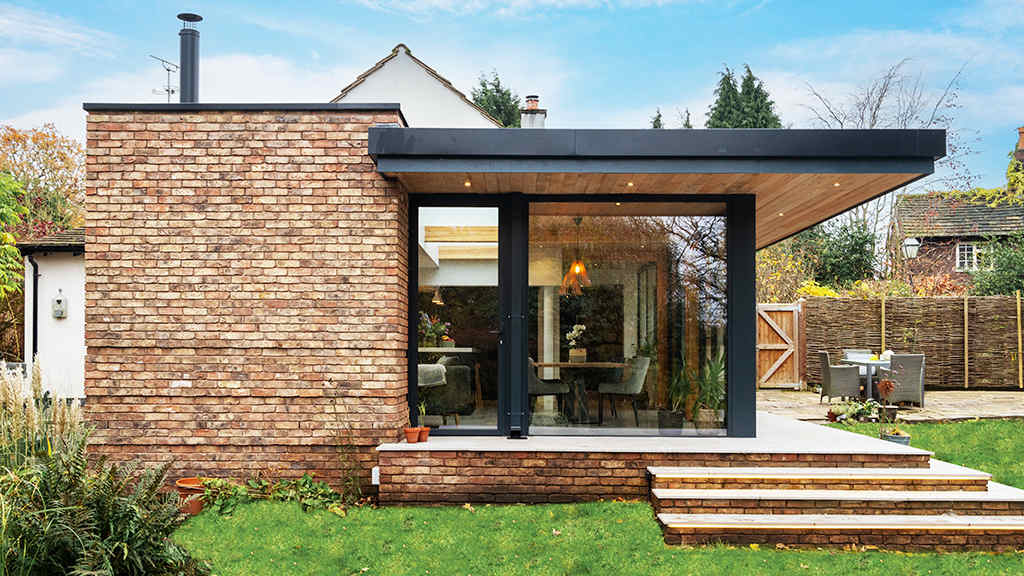
Unlike the distinct reds of the Midlands and yellows of London, the clay used to make bricks for this region came from multiple sources. Different clay colours were blended together and various firing methods were used, producing a medley of colour shades that’s hard to replicate exactly in modern manufacturing.
Brick Colour Matching Tip
As original bricks from this area are hard to replicate, suppliers may have limited options available. If you’re having difficulty finding a match, it’s worth exploring custom brick matching and tinting as an option.
See it in real life: Handmade bricks manufactured to replicate the Yorkshire brick aesthetic feature in this rural cottage extension.
You might be wondering where off-white, grey and blue colours fit regionally. Well, the truth is, they don’t. These are modern colours requiring specialist techniques which simply weren’t achievable in past centuries.
Advances in kiln technology and firing processes have made these colours more widely available in recent years. You’ll typically see them used in contemporary new build designs, and slip versions are also used in brick cladding systems.
How Specialist Modern Colours are Made – Quick Overview:
Long-term exposure to British weather and environmental pollution can change the appearance of brickwork colour.
Clay bricks, especially handmades, are naturally porous. Over time they absorb soot and grime from the atmosphere which clings to the exposed faces of the brickwork (what you see on the outside) and darkens their original colour. This can leave a once-red brick looking more of a deep purple or black tone.
Restoring vs. Matching
If you’re planning to extend or renovate your property, you have two options:
Getting brickwork professionally cleaned is an option, but it isn’t always achievable. If it’s a period property or located in a conservation area, planning authorities may restrict cleaning to preserve the historical aesthetic.
If you’re matching the original brickwork as it is, keep in mind you’ll need to look for weathered or aged brick options. You could use new old-style bricks or genuine reclaims, or even approach suppliers about custom weathering options.
We couldn’t explore brick colours without mentioning mortar.
The colour of brick mortar will substantially affect how your eyes perceive the finished brickwork.
Most modern houses are built using a natural buff colour mortar as standard, though you may also come across grey, white or even red toned mortars.
Lighter mortars create a strong contrast that highlights the bricks and brightens their appearance, while darker mortars reduce the contrast, creating a deeper, muted look.
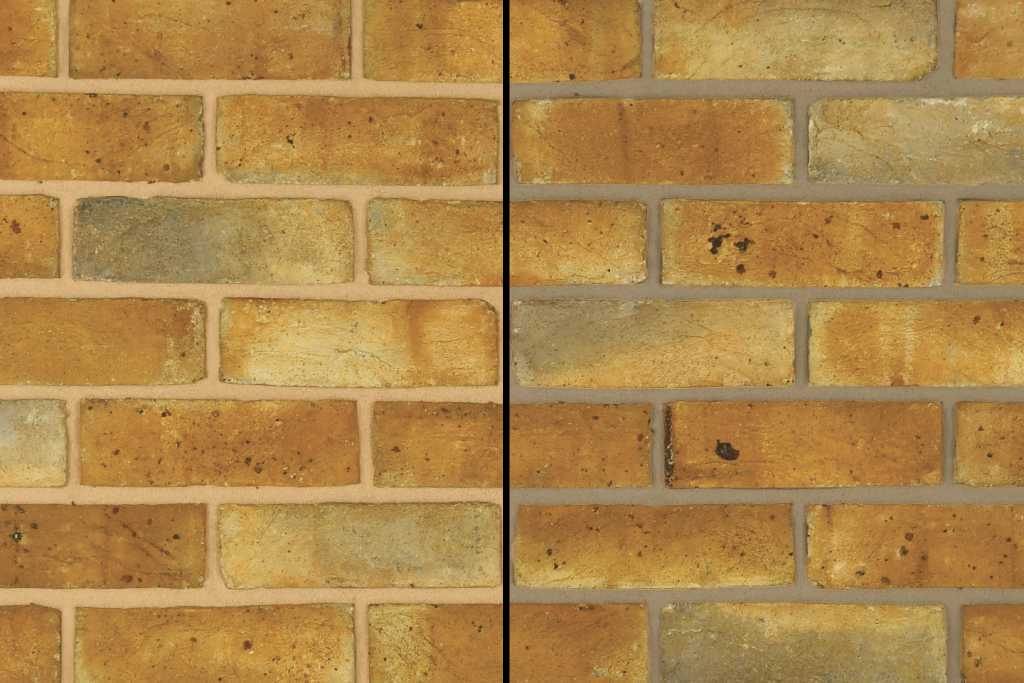
If you’re planning a new build, planning permission aside, you usually get to choose what you use.
If you’re extending or renovating, make sure you match the colour of the original mortar as closely as possible. If it’s darkened by the effects of weathering, decide whether you want it cleaned first or leave it and match as-is.
In both cases, we’d always recommend building a sample panel of around one square metre (1m²) on-site using your chosen bricks and mortar. This allows you to check the colours are exactly what you want and expect before committing to the full build.
As much as we’d all love free rein to choose the colour of our bricks, planning permission often dictates the final decision.
More often than not, bricks for new builds need to be in keeping with the local area and neighbouring properties, so complete freedom is quite rare.
It also goes without saying that you need to match bricks for extensions and renovations to the original brickwork.
Planning restrictions are intended to preserve the aesthetic and historic identity of the wider area. While you might love the idea of using bright blue bricks in London, a local planning officer probably won’t share your enthusiasm.
Unless you’re in a conservation area, an Area of Outstanding Natural Beauty (AONB) or dealing with a listed property, brick colour shouldn’t be too much of a headache. However, if you’re navigating strict planning conditions, lean on the experts. Many manufacturers and suppliers have extensive experience working alongside planners and architects to find a suitable brick type and colour – so make use of them (or us) to do the hard work for you.
Brick colours may seem insignificant at first, but they’re deeply rooted in history, tradition and locality.
Whether you’re building from scratch or renovating, planning guidelines will have an impact on your brick choice, but how strict the restrictions are will depend on your location and property type.
If you’re planning a new build or extending your home and are struggling to find the right bricks to satisfy planning requirements, our free brick matching service can help.
Even if you aren’t matching a specific brick and just need to suit the local area, our experts have a proven track record of getting both off-the-shelf and custom brick blends approved for all types of building work.