Looking for Brick Slips for facade systems?
Visit our dedicated website.
Looking for Brick Slips for facade systems?
Visit our dedicated website.
Thinking of using linear brickwork for your upcoming project? You’re in the right place.
Long, flat brick formats have an extensive history in architectural brickwork, but their usage has evolved over time. Linear bricks were first known to be used during the Roman era. Centuries later, however, their usage dwindled somewhat in favour of boxier, imperial size bricks for large-scale developments.
Fast forward to now and long format bricks have regained popularity. They’re synonymous with contemporary architecture and have grown in demand.
Linear brickwork is a little different to building with standard metric bricks, not only in the way they look, but also practically.
So if they’re high on your product shortlist, there are a few things you should know before you finalise your designs. We’ll take you through their key characteristics, practical considerations, cladding system compatibility and some inspirational design ideas.
But first, what exactly are linear bricks and what do we mean by linear brickwork?
Short on time? Jump ahead:
What are Linear Bricks? >
Linear Bricks vs Standard Metric Bricks >
Practical Considerations for Linear Brickwork >
Where are Linear Bricks Used? >
Examples of Linear Brickwork >
Using Linear Bricks with Cladding Systems >
Choosing Linear Bricks for Your Project >
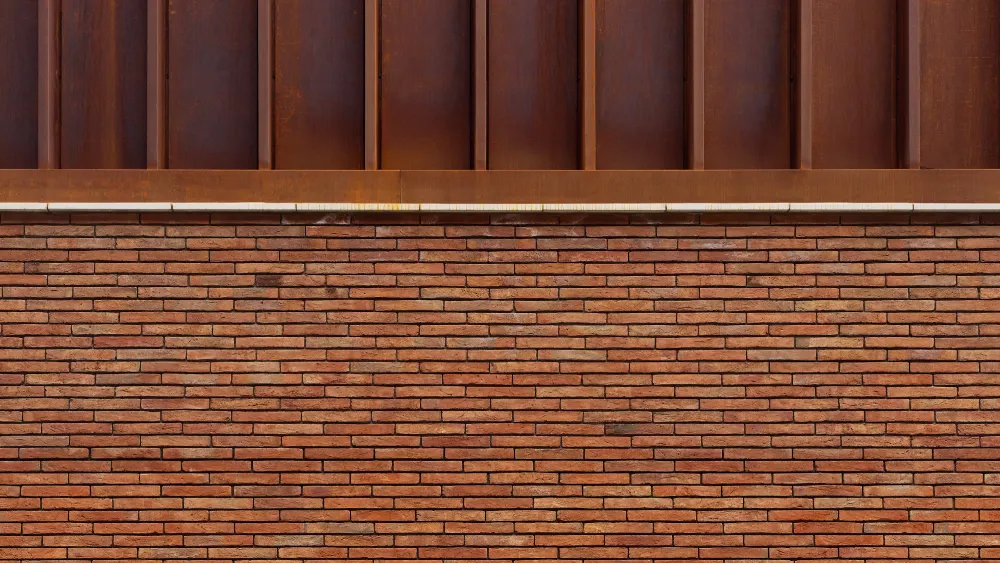
Linear bricks, also known as long format or Roman bricks, are long, slim clay bricks which are commonly used to build modern, contemporary-style brickwork. They are significantly longer than standard metric or common imperial sizes. When laid, their extended length minimises vertical mortar joints and forms sleek, continuous lines across the finished facade.
The term ‘linear brickwork’ simply describes the finished use of linear bricks in a wall or facade.
Now we’ve clarified what they are, let’s look at how linear bricks compare with standard sizes.
Visually and practically, linear bricks have several differences compared to standard metric house bricks:
| Linear Bricks | Metric Bricks | |
| Aesthetic | Modern and sleek – minimises vertical mortar joints to emphasise horizontal lines |
Traditional and classic – familiar rectangular dimensions |
| Size | Lengths vary greatly (typically 240 – 500mm), heights are usually slimmer (40-50mm) | Fixed standard size of 215mm (L) x 102.5mm (W) x 65mm (H) |
| Weight | Typically 3.2kg – 4.5kg (size dependent) | Typically 1.2kg – 2.7kg |
| Labour | Non-standard size which requires careful handling and additional construction time | Standardised size designed for optimal handling and fast construction |
| Wall Coverage | Varies by size (e.g. 40 to 67 bricks per m²) |
60 bricks per square metre (m²) |
| Cost | Premium pricing: Approx. £1125 – £3500+ per 1000 | Standard pricing: Approx. £480 – £2520 per 1000 |
We’ll compare some of these points in more detail.
There is no one specific linear brick size. Dimensions often depend on their intended application and vary greatly between different manufacturers, but as shown in the table above, they tend to range from 240-500mm in length and 40-50mm in height.
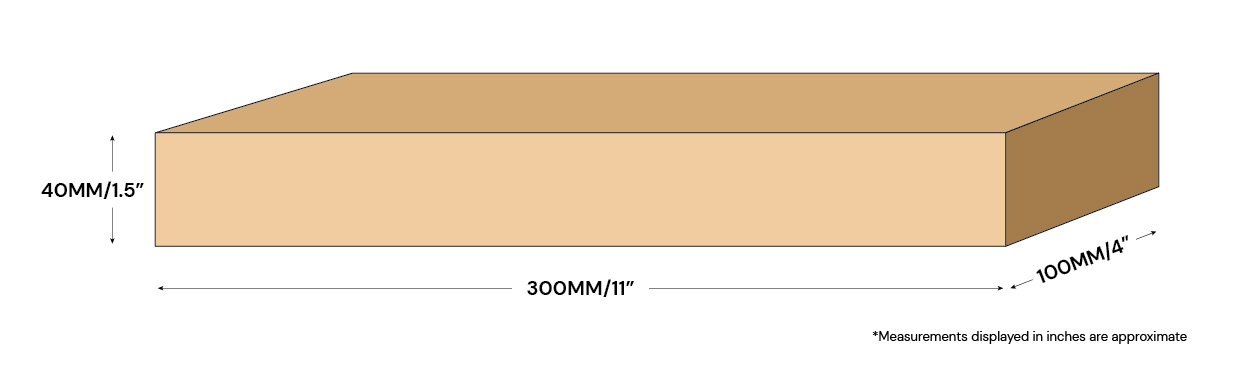
Above: Illustrative example of a 300mm x 100mm x 40mm size linear brick.
Modern standard bricks are a rectangular box shape and are a specified size of 215mm in length, by 102.5mm in width, and 65mm in height.
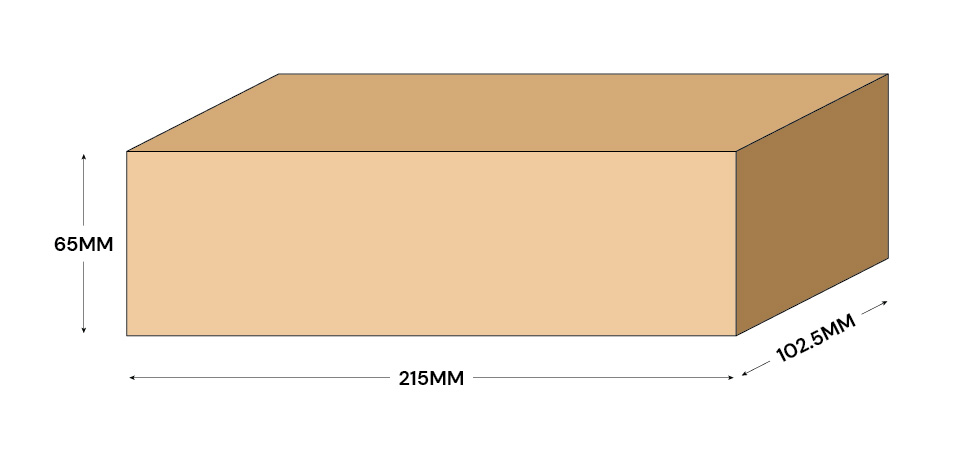
Above: Illustrative example of a metric size brick.
The weight difference between linear and metric sizes can be significant, depending on the brick type.
Based on an average of our bricks, as a general guide:
It seems obvious that linear bricks usually weigh more than metric, but it’s worth noting their heavier weight and larger size can impact the speed of bricklaying (more on this later).
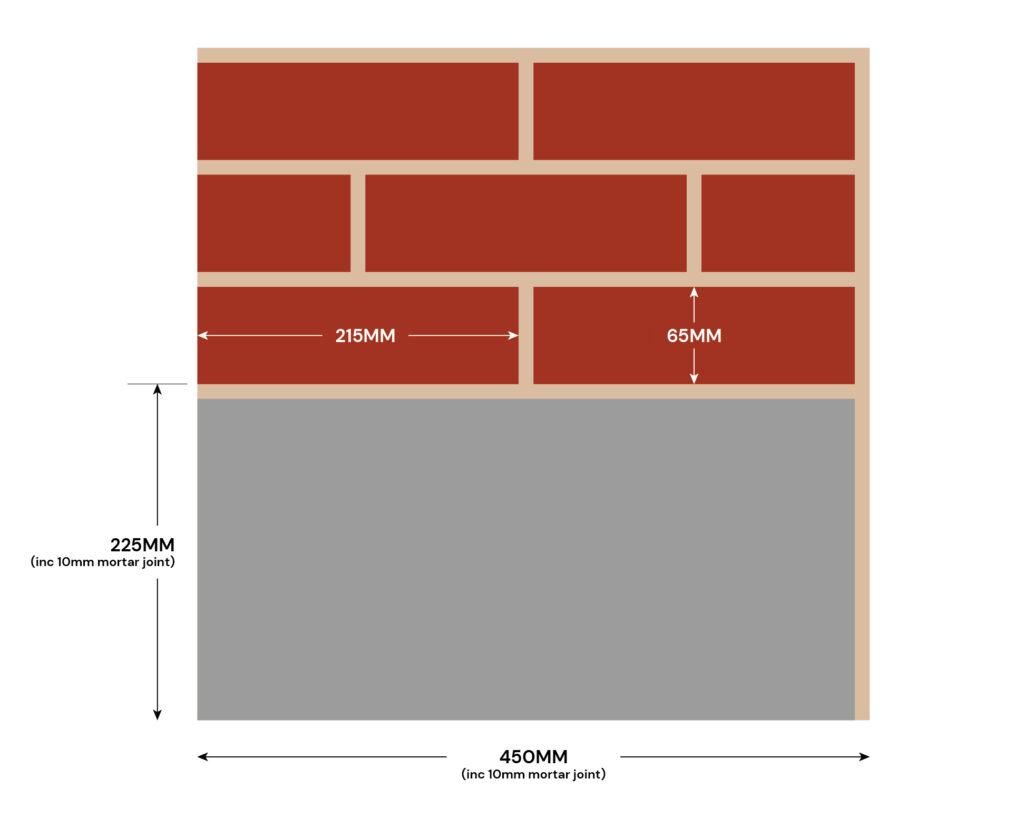
For standard metric size bricks laid in a stretcher bond with a 10mm mortar joint, you need 60 bricks per square metre (m²).
With linear bricks, the quantity per square metre can vary considerably depending on the size.
We’ll use a few different sizes with a standard 10mm mortar joint as examples.
*All rounded to the nearest whole brick
As you can see, the longer the brick size, the more likely you’ll need fewer linear bricks compared to metric.
Know your brick size already? Use this manual formula to calculate linear bricks per square metre.
It may come as little surprise, but linear bricks can cost more than metric or imperial.
The actual price depends on size and whether bricks are mass-produced machine-mades or specialist handmades.
Estimated Price Guide (exc VAT):
If you’re wanting to use linear bricks, be sure to get direct quotes for various options to ensure your vision fits your allocated budget.
For an in-depth breakdown of how prices vary, we have a guide that covers the cost of bricks in detail.
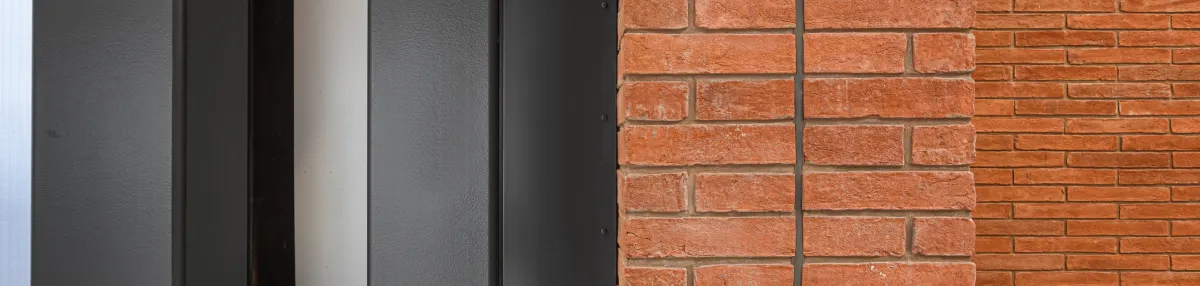
Linear bricks are favoured for their distinct elongated shape and their association with contemporary architectural design.
All good things come with considerations, however, and there are a few you should be aware of before committing to using longer format bricks.
It’s important to order samples and select which size linear brick you’ll be using before finalising your project design.
The availability of specific linear brick sizes differs from one manufacturer to the next, so designing brickwork around door and window openings before you’ve finalised the size isn’t advised.
This goes for any corners, reveals and decorative details too. Unlike metric or typical imperial sizes, the unique dimensions of linears can make it harder to go back and adjust measurements later on.
Once you’ve chosen your brick, remember to factor in the manufacturer’s lead time. Linear bricks are classed as a specialist product and are frequently produced in smaller quantities, so can take longer to arrive compared to off-the-shelf bricks.
For new builds, you also need to keep the cavity wall in mind. Modern concrete blockwork is designed to fall in line with metric brick courses, allowing cavity wall ties to line up naturally. While ties can be easily adjusted for imperial sizes, the shorter height of linear bricks means their horizontal joints rarely align with standard blockwork. Because of this, prior planning for tie backs and movement joints is required.
Due to their longer proportions, linear bricks are commonly laid in a stretcher bond.
Other standard bond patterns include:
Beyond these, architects have full creative licence to use bespoke bonds, but they will require careful planning.
Complex traditional bonds such as English and Flemish can be achieved in a fashion, but the proportions of the much shorter header face against the longer stretcher face will result in a modern aesthetic rather than a classic one.
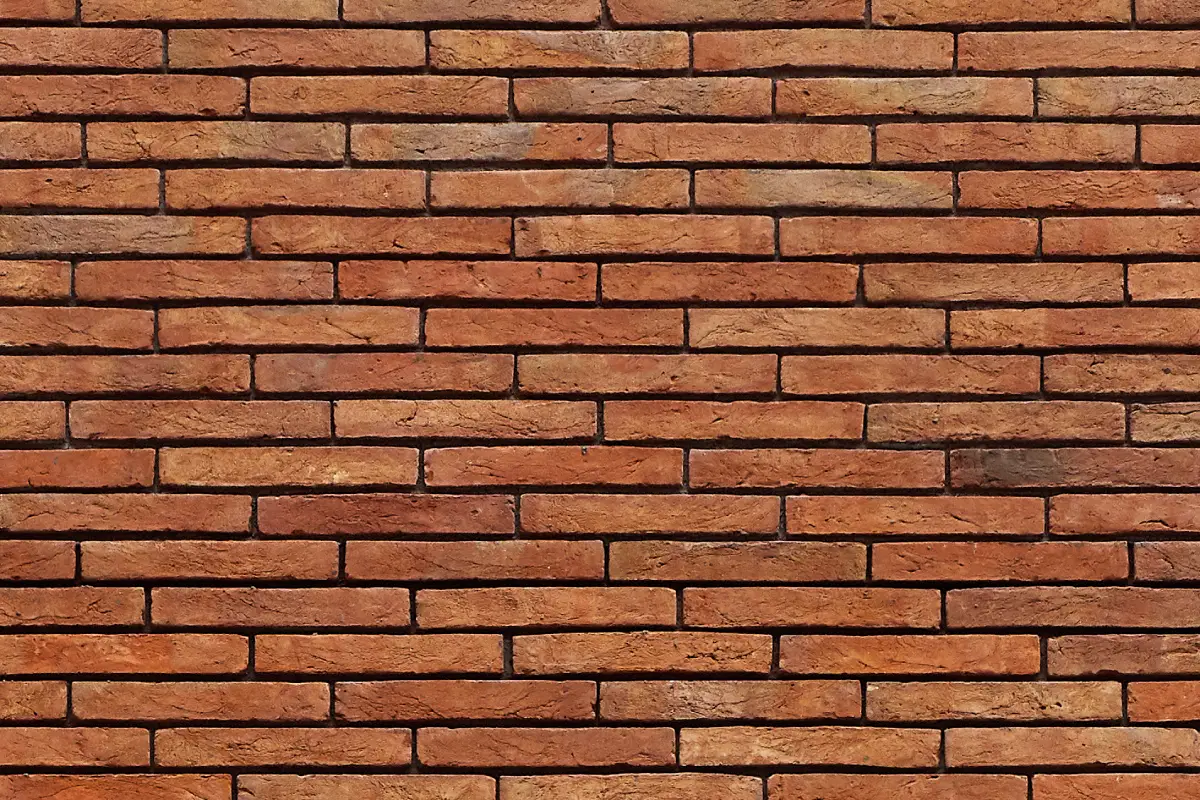
Above: Handmade linear brickwork laid in an offset stretcher bond.
When determining bricklaying schedules, it’s important to note that linear bricks can take longer to lay than standard metric or imperial sizes.
Metric bricks are designed to fit comfortably in a bricklayer’s hand, allowing for one hand to place a brick and the other to strike the mortar with a trowel.
Swap to a longer, heavier linear size and bricks can be more awkward to handle, sometimes requiring two hands to place correctly, which can slow an efficient builder down.
On-site storage space also requires prior planning. Linear bricks are frequently supplied in smaller pack sizes than standard metric and imperial sizes, meaning more individual pallets may be required to achieve the same wall coverage. This can take up valuable space on-site during construction.
Linear brickwork isn’t a common sight in your everyday housing developments. Instead, its distinctive look is heavily associated with contemporary architecture.
Most likely to be used in commercial projects, high-end self builds, and modern extensions, the elongated format of linear bricks and resulting minimal vertical mortar joints of a finished wall create a streamlined appearance which accentuates the horizontal aspect of a building.
Throughout the past decade, we’ve supplied a selection of notable projects with linear bricks.
We’ll walk through some case studies to show you how long format bricks can impact the finished look of a facade.
The One Silk Street commercial development in Manchester was built to satisfy the demand for both living and working spaces.
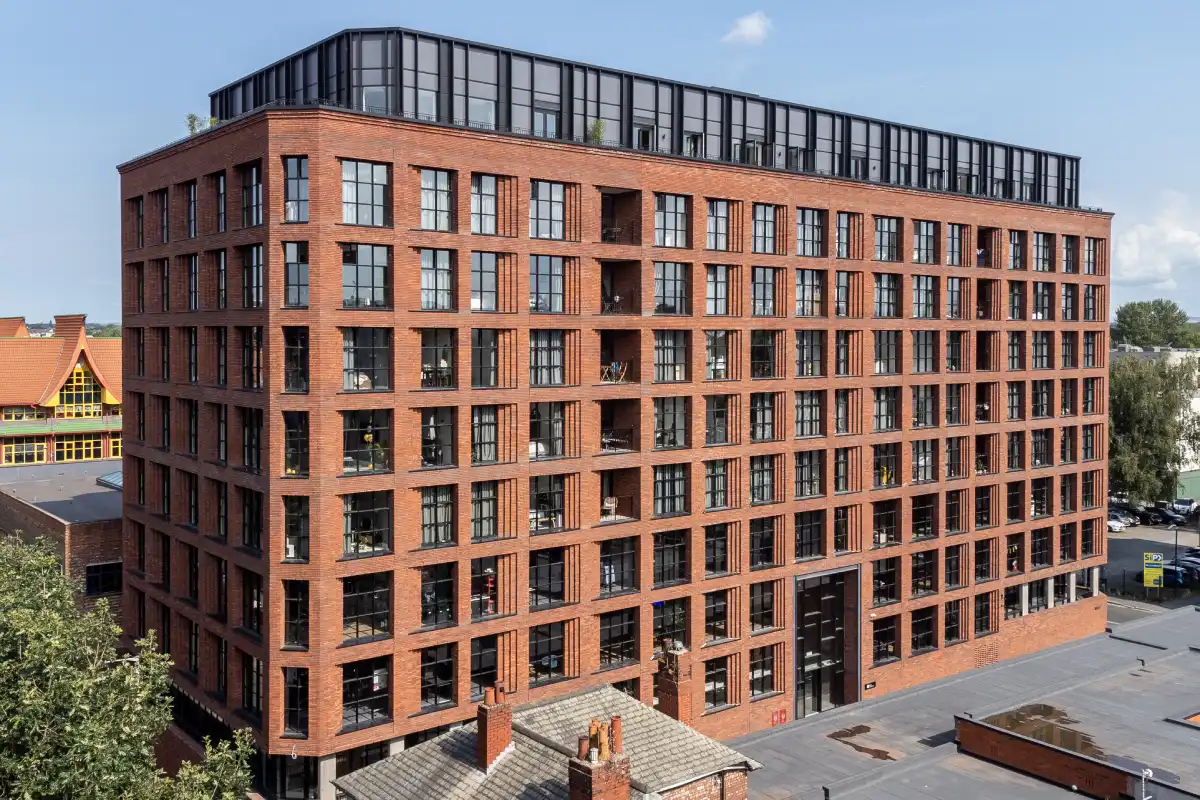
Custom linear bricks were used for the industrial-style facade to create a sense of elongation across the building’s envelope. The completed brickwork offers a spacious feel and commands attention, despite being closely surrounded by other multi-storey properties and narrow streets.
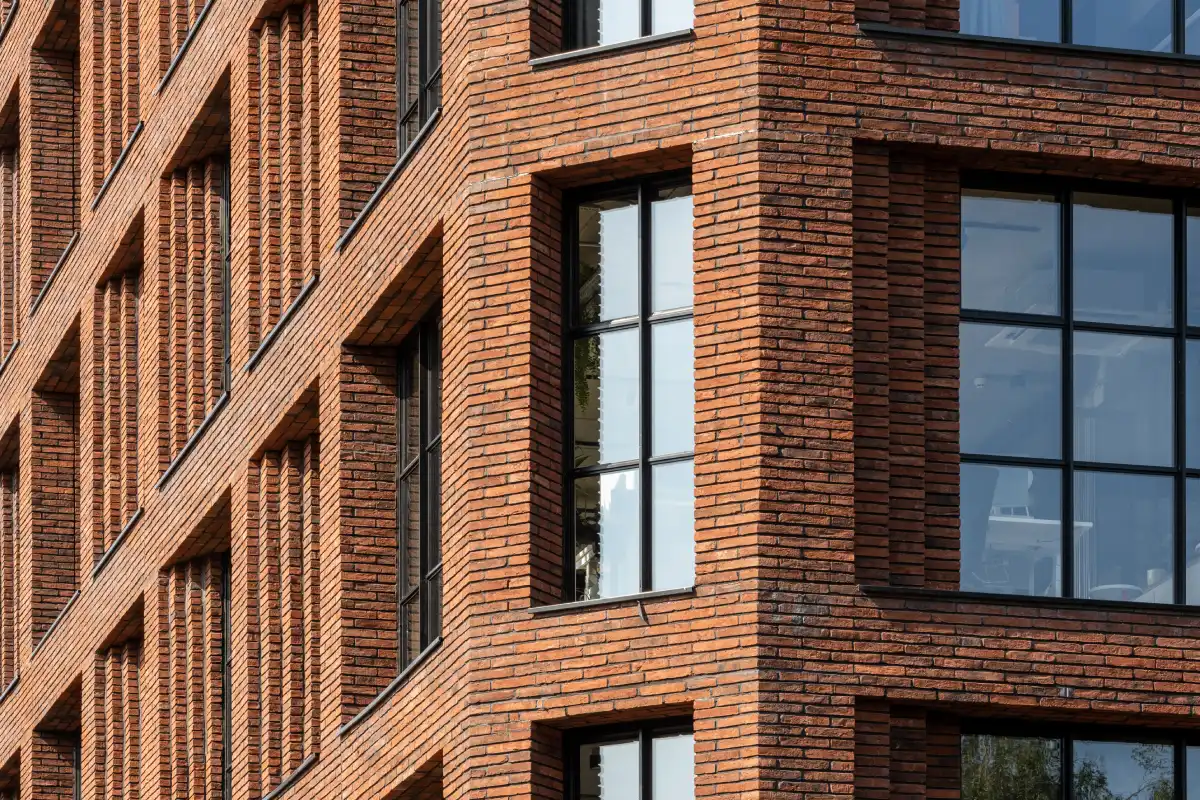
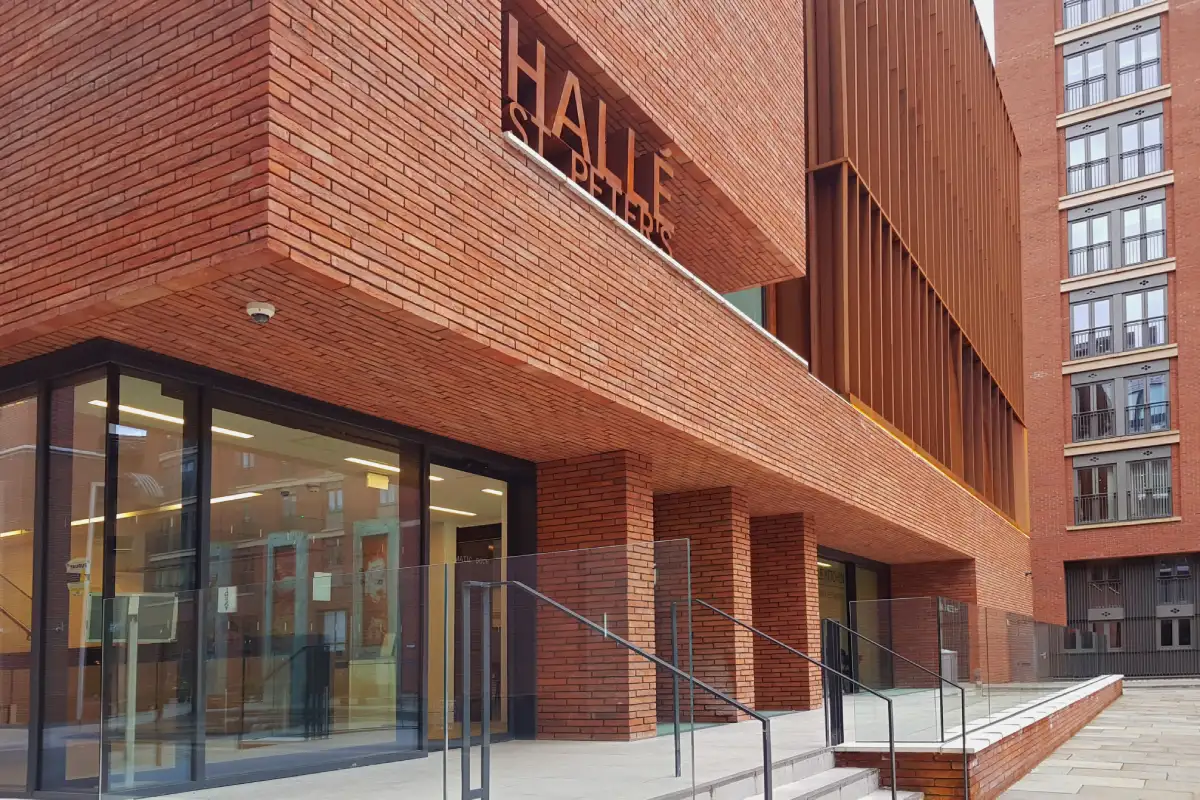
An extension to St Peter’s church in Ancoats needed to provide complementary contrast with the original structure, giving a sense that it belonged.
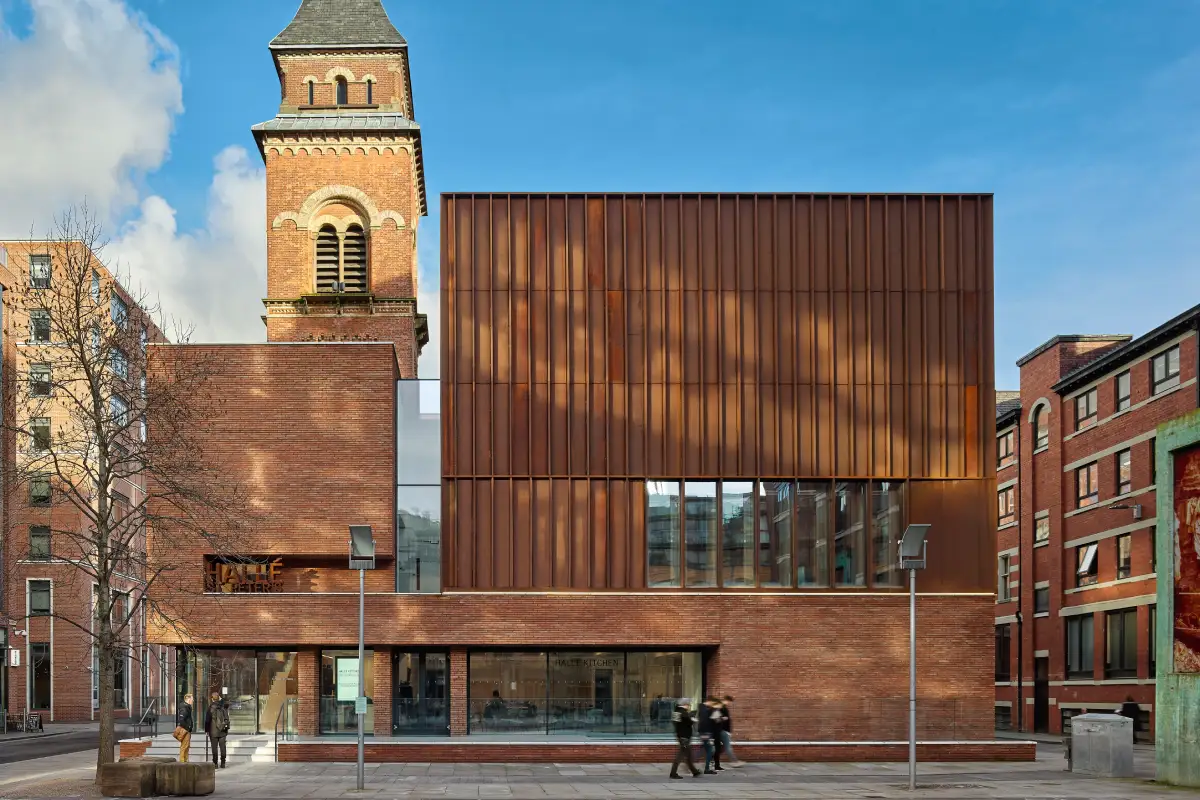
A bespoke colour blend of linear bricks integrated the extension facade sympathetically with not only the church itself, but also the surrounding buildings.
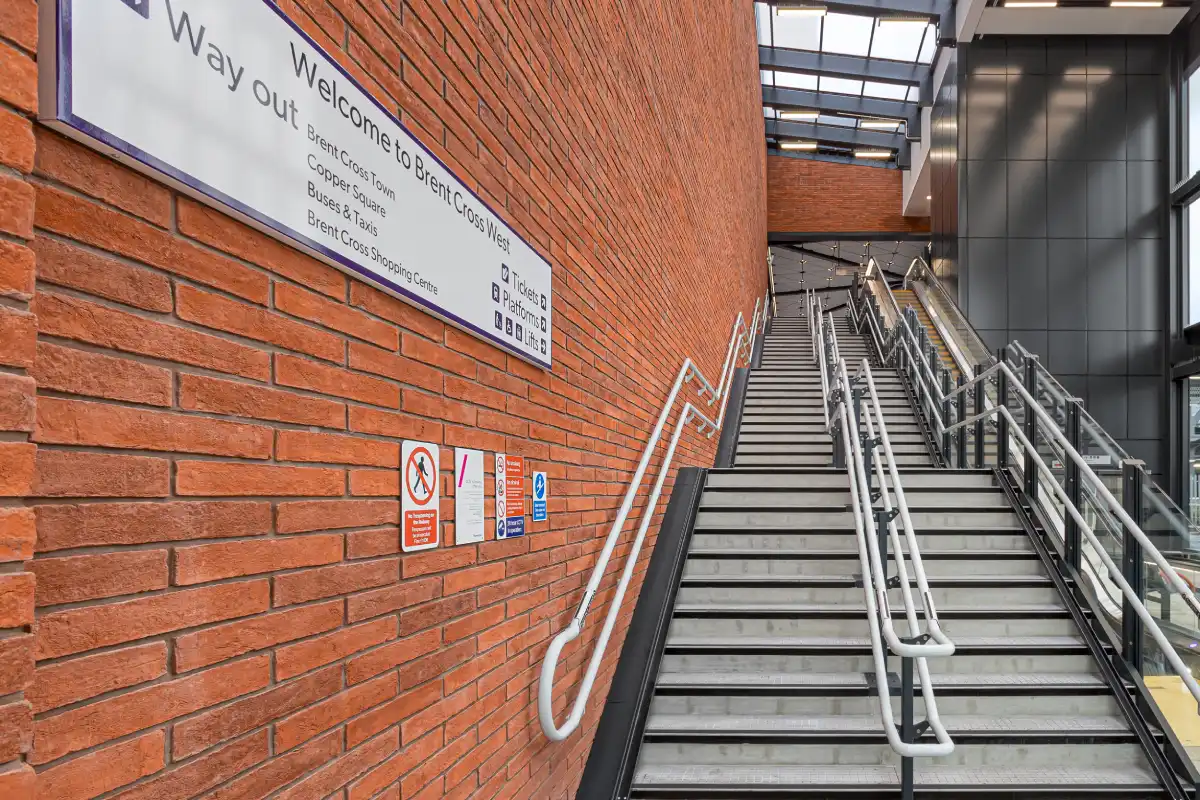
Built to accommodate transport for a new local town, the new Brent Cross West station in London features a standard blend of Farmhouse Orange bricks in a linear size.
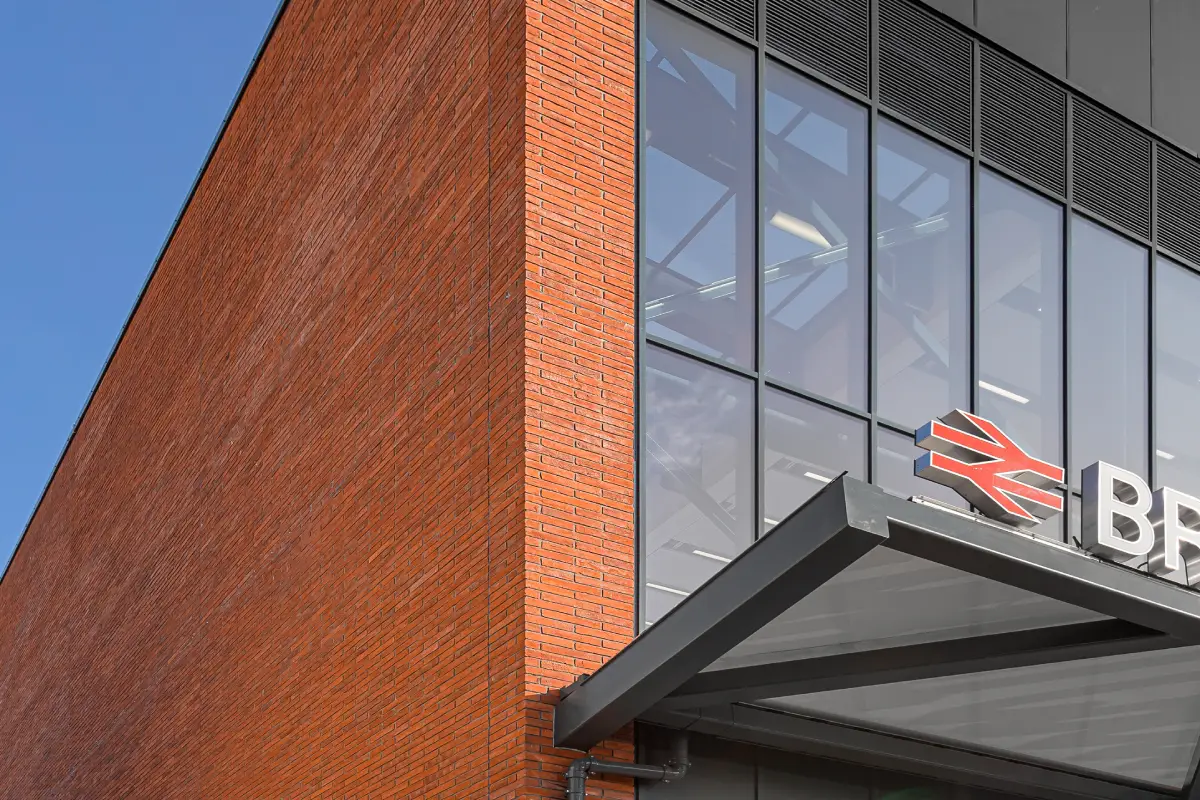
The decision to specify linear bricks here lends itself well to the railway aesthetic, with the walls mimicking the feel of the long, continuous railway tracks.
When it comes to prefabricated brickwork and cladding systems, linear bricks can be used, but your choices are limited.
For mechanical and EWI cladding systems, the lengthened size compared to standard bricks can be difficult to accommodate in mechanised guide rails, and insulated boards are often restricted to common brick heights such as 65mm.
They can, however, be incorporated using precast systems.
Precast cladding systems offer flexibility in design, with few limitations in compatible brick sizes, bond patterns and detailing. So if you’re intrigued by linear bricks and want to explore design possibilities, we recommend teaming up with a precast manufacturer.
If you have an interest in contemporary architecture and want to create bold and sleek designs, choosing linear brickwork may just be the way to go.
You can either keep it simple by utilising common bond patterns, or really push the boundaries of design with complex bonds and decorative brickwork. The choice is yours.
Before you commit to using linear bricks, here’s a quick recap on things to take note of so you aren’t caught out later:
By this point, we hope you’ve been able to make a clear choice on whether linear brickwork is for you.
If you’re sold on them, great! We offer a range of both traditional and contemporary linear bricks in 327 x 50mm and 490 x 40mm sizes which could just be what you’re looking for.
Alternatively, just like with some of our earlier examples, we can create bespoke blends or even match brick finishes.
And if you’ve realised they’re not quite right for you, there’s no hard feelings. We’re just happy to have helped you decide.