Looking for Brick Slips for facade systems?
Visit our dedicated website.
Looking for Brick Slips for facade systems?
Visit our dedicated website.
Chances are, you don’t know much about brick frogs and a quick search has led you here.
You’ve already come across the name, so you may have an idea of what they are, but not why they exist.
Maybe you’re curious, or you’re planning a project and want to know more about the brick indents you’ve seen. Either way, if the humble brick frog has piqued your interest, we’re here to help.
We’ll explain what it is, why it’s there, how frogged bricks should be laid, and even throw in a bit of folklore about the ‘frog’ name to keep you entertained.
Let’s hop to it.
Skip to the information you’re looking for:
What is a Brick Frog? >
Why Bricks Have Frogs >
Laying Bricks – Frog Up or Down >
Origin of the ‘Frog’ Name >
Branded Frogs and Maker’s Marks >
Comparing Frogged with Perforated and Solid Bricks >
Frogged Brick FAQs >
Do Brick Frogs Matter When Planning Your Project >
A brick frog is an intentional recess or indent into the bed face (top) of a clay brick. It’s formed during the moulding process when clay is thrown or pressed into a brick mould with a raised section inside. A brick that contains this recess is called a frogged brick, with the frog itself serving several beneficial purposes for both manufacture and brick laying.
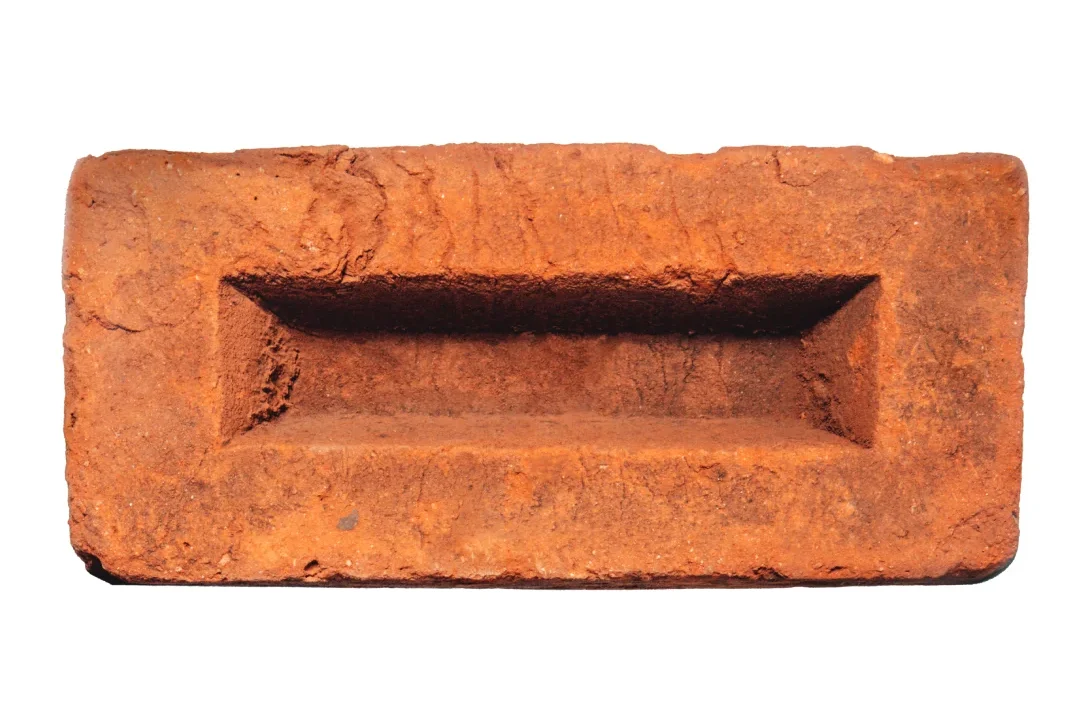
Brick frogs come in different shapes and sizes. You’re most likely to see a rectangular shape with sloping edges, though some can be oval. The depth of the frog can also vary, usually sitting between 10-30mm. As long as the frog is at least 19mm (¾”) away from the edges of the brick, manufacturers tend to have creative control over the design.
Bricks have frogs for a variety of practical reasons that benefit manufacturing, transport and construction:
Manufacturing:
Transport:
Construction:
As you can tell, there’s quite an importance in the role of a brick frog. That seemingly simple indent in the top of a brick is actually very beneficial for manufacturers and builders alike.
Bricks with frogs should be laid with the frog facing upwards, as advised by the British Standard guidelines BS 8000-3:2020.
There’s sometimes debate about this in online discussions, but laying bricks frog-up ensures that the frog is fully filled with mortar, properly bonds the bricks, and evenly distributes the weight of the finished wall.
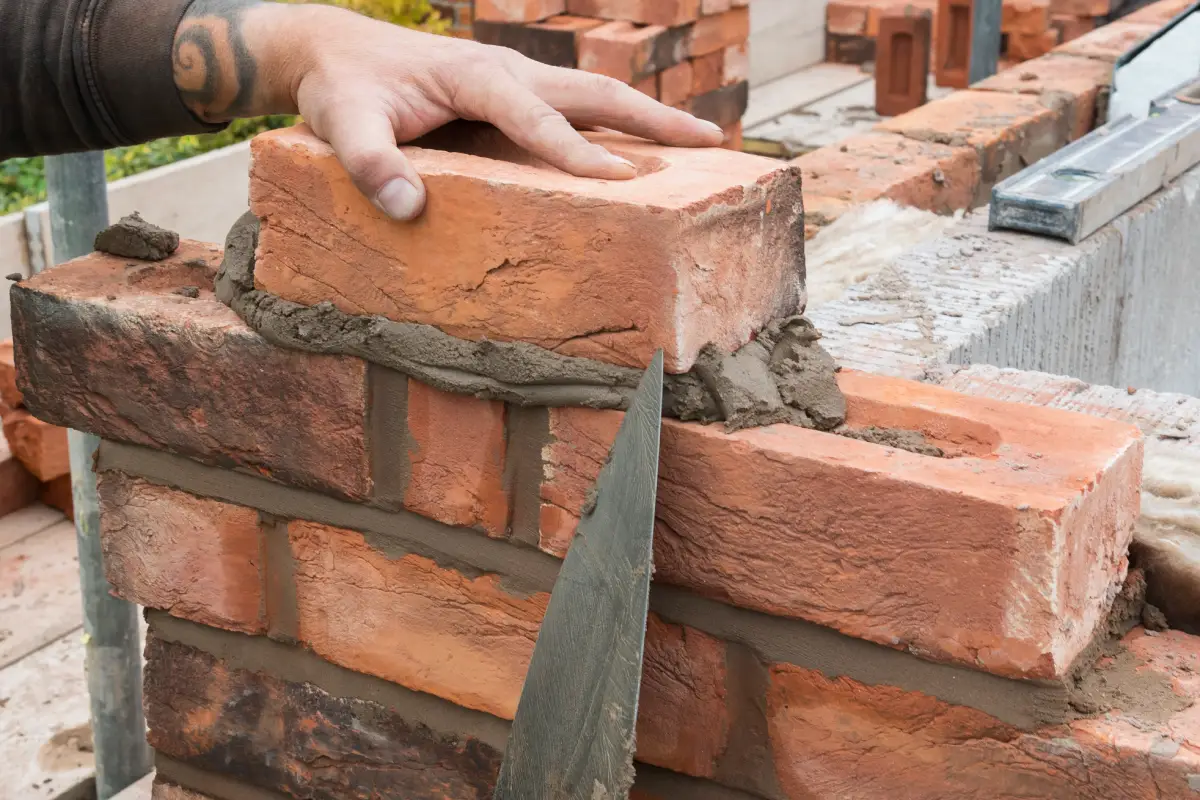
Above: Image shows handmade bricks being laid on a building site with the frog facing up.
Laying bricks with the frog facing down can risk leaving an unfilled air void where mortar fails to completely fill the indent. This can not only weaken the bond, but also concentrate load bearing onto the edges of the brick, rather than the entire bed face.
If you’re lucky enough to be working with bricks with a double frog (one on the top and bottom), then the deepest frog of the two should be laid facing upwards. Mortar is more likely to squeeze up and properly fill the shallower frog, reducing the risk of an air void.
We’ve discussed the what, why, and how, but if you have a curious mind you might be wondering ‘Why is it called a frog?!’
It’s a great question, but one without a clear answer.
There are several theories about where the ‘frog’ name came from, but no single definitive source.
And if you’ve ever imagined the shape of a frog in the brick, or worse, that an actual amphibian once got stuck in a brick, you aren’t alone! Don’t worry, that didn’t happen.
Here are some of the most popular, and interesting, theories for you to peruse.
This is a popular theory which is often thought of as the most credible.
Historically, bricks were made by hand using wooden moulds with a raised block of wood in the base. The wooden block was called a ‘kick’ or ‘kicker’, and helped to push (or ‘kick’) the clay into the corners of the mould, ensuring the brick formed properly.
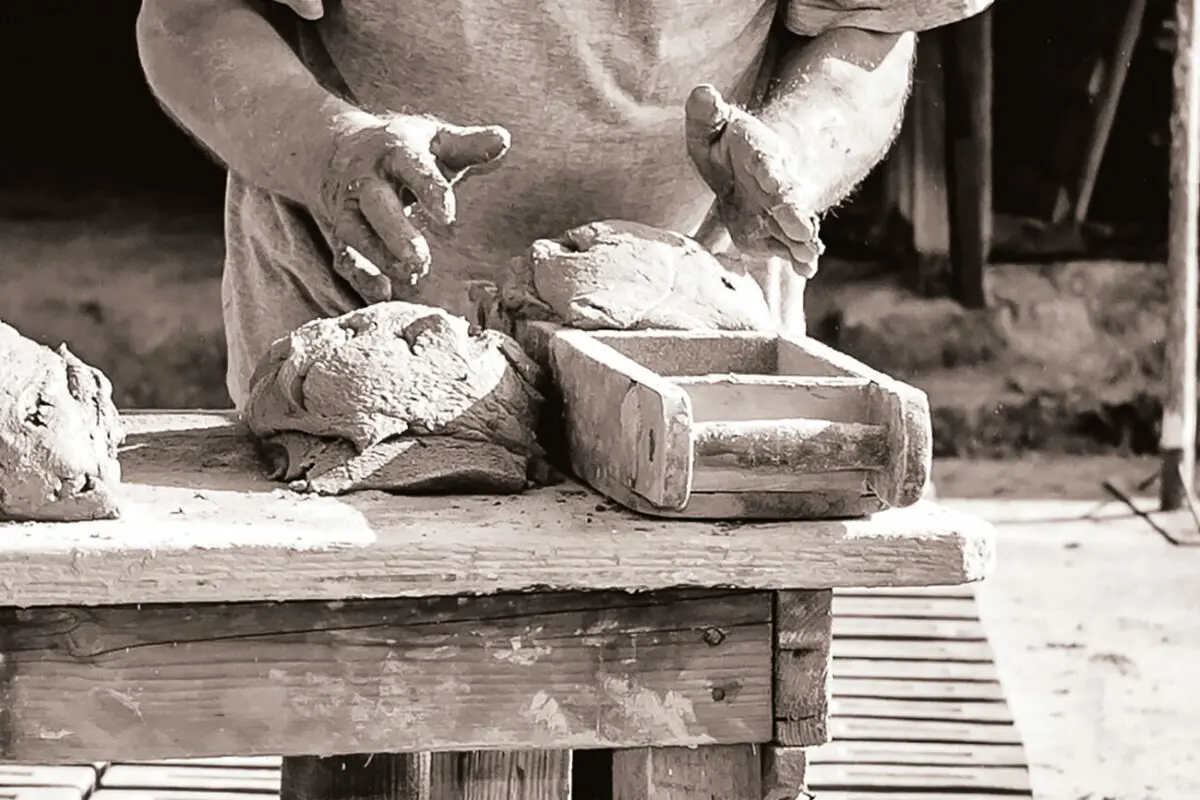
Historically, brickmaking has strong links with Dutch manufacturing and it is thought that the word ‘kicker’ became interchanged with the Dutch word ‘kikker’, which translated back into English means ‘frog’.
It’s a well-discussed theory and tends to be widely accepted, though the words sounding similar doesn’t provide automatic proof of etymology.
Another debated theory suggests that historic brickmakers took the name of the v-shaped structure of a horse’s hoof, called the frog, and used the term to describe the recess in a brick.
It’s thought that the shapes looked the same, though looking at them now you’d notice how they differ.
There are some suggestions that the raised block of wood in a traditional brick mould resembled a crouching frog, so the name was adapted accordingly.
This one is a little difficult to imagine considering a crouching frog looks nothing like a brick frog as we know it today, but as they have no definitive shape or size, it may well have done so a few hundred years ago.
A weaker theory than the rest, but one still discussed, is the word ‘frog’ is a play on ‘frugal’, because the recess reduced the amount of clay required to make a brick.
To us, they don’t seem similar enough, but we’ll let you decide on that for yourself.
There are more theories floating around the great wide web if you care to dig deeper, but you can always just make up your own…
Many years ago, there was a trend here in the Imperial office to convince new, unknowing staff who dared to ask the question ‘Why is it called a frog?!’ that frogs used to hide in the recess of bricks when stored. Don’t worry, they were soon informed it was satirical, but it’s a great example of how dubious theories can arise!
If you inspect a brick, you’re likely to notice that a lot of brick frogs have a logo or mark ‘stamped’ into them. This is known as a branded frog or maker’s mark.
This practice really took off in the Victorian era. As brickmaking became more industrialised in the 19th century and railway infrastructure allowed bricks to be transported across the country, brickmakers began including their branding in the brick frogs for identification, advertisement and authenticity. One famous example is the Accrington ‘NORI’ bricks often seen in the Midland and North areas of England.
Today, this practice is widely adopted in brickmaking. Many brick brands, including us, use branded frogs as a way of assuring brick quality and authenticity.
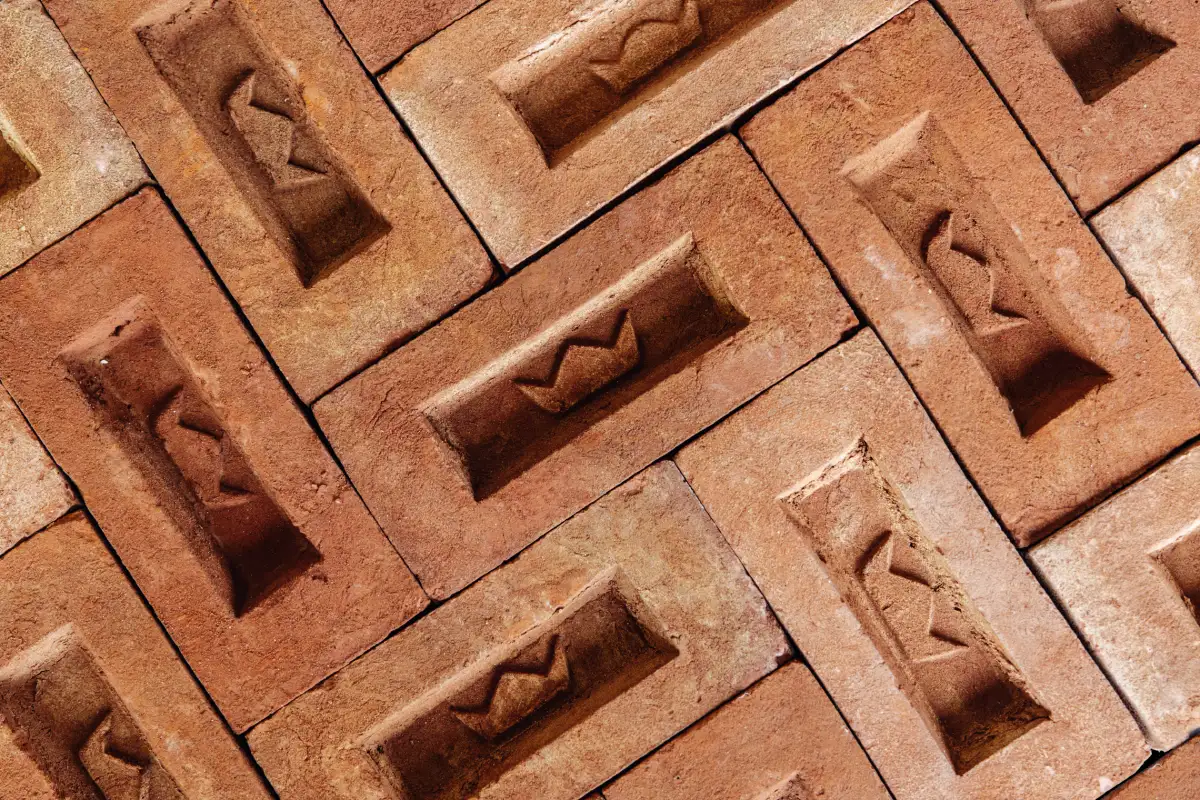
For us, as our bricks are often supplied via wholesale or merchants, adding the crown logo to the frog assures customers they’re getting the correct bricks, manufactured ethically in accordance with The Imperial Standard.
As mentioned previously, brick frogs are a recess, or indent in the bed face (top) of a brick, but not all bricks have them.
Clay bricks are typically manufactured in three formats: frogged, perforated or solid. Each of these serves a different purpose:
| Brick | Type | Defining Features & Purpose | Best For |
|---|---|---|---|
| Frogged | Usually handmade or pressed | Rectangular or oval recess in the top which reduces weight, firing time and improves bond strength | Traditional and modern masonry |
| Perforated | Usually extruded or pressed | Circular, square or rectangular holes running vertically which reduce weight, quicken firing times and improve bond strength | Traditional and modern masonry |
| Solid | Any | Flat faces with no voids, making them dense, heavy and highly load-bearing | Paving, wall capping/coping and historic brick renovations |
Whether you use frogged, perforated or solid bricks will depend on the structural requirements for your project, the aesthetic you have in mind, and the manufacturer options. If you’re unsure, speak to your architect or the suppliers of the bricks you’re interested in.
We’ve already covered a lot on the subject, but here are a few further questions we often see asked about frogged bricks.
No, not all bricks have frogs. Clay bricks can either be frogged, perforated or solid, depending on the manufacturer and the bricks’ intended purpose.
A frogged brick has an indent in the bed face (top) of the brick, whereas an unfrogged brick is solid and has a flat surface on all sides. Perforated bricks also exist, which are neither frogged or solid, featuring vertical holes through the height of brick.
There is no definitive depth of a brick frog; they usually range from approximately 10mm to 30mm. As long as the outer edges of the frog sit at least 19mm (¾”) from brick edges, the size and shape are down to the manufacturer to decide.
Manufacturers began putting frog indents in bricks during the 19th century as a way of conserving clay, reducing brick weight, improving bond strength, and branding or marking their bricks.
Frogged bricks are still very common in modern construction for these same manufacturing and structural benefits.
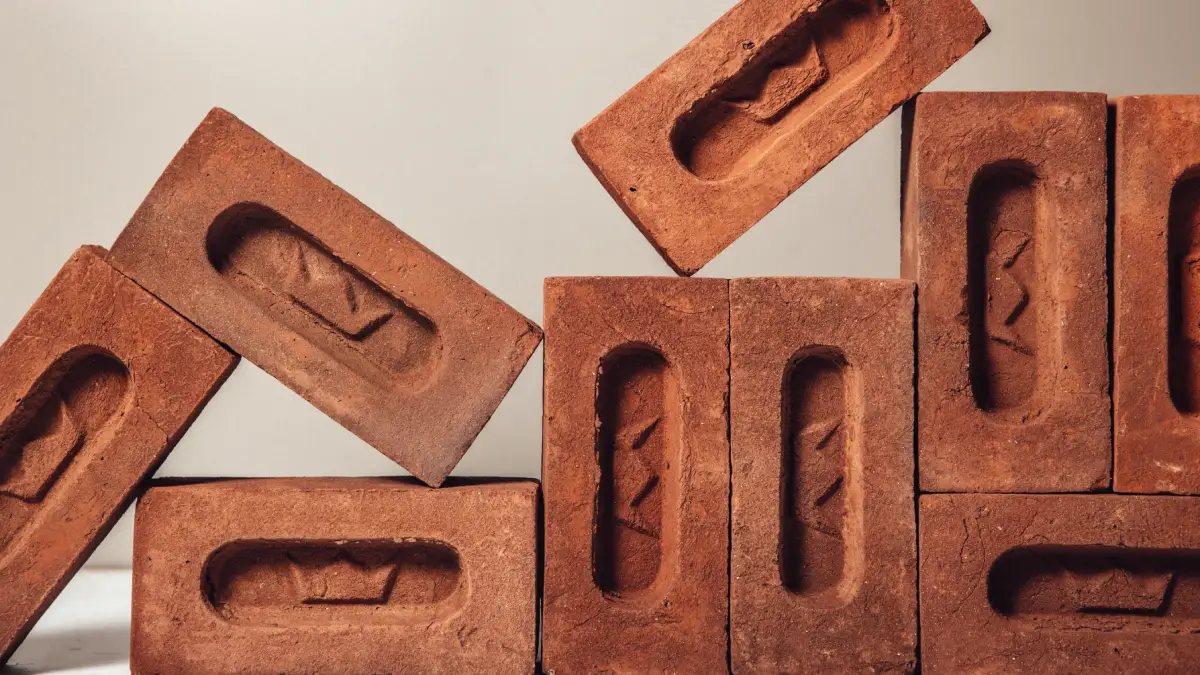
If you’re planning a self build or renovation, it’s unlikely you’ve paid much attention to whether the bricks you use should have a frog, be perforated, or solid.
Perforated and frogged bricks are commonly manufactured and used in building work, so it doesn’t really matter which one you end up choosing.
What does matter is your builders lay them correctly:
Ensuring these standard laying practices are followed improves bond strength and reduces the risk of future load bearing issues or empty voids filling with water and risking future structural problems or spalling.
Due to being heavier and requiring more clay, solid bricks are less commonly used for modern masonry and tend to come in a smaller 50mm size for historic renovations.
That said, solid engineering quality bricks in standard and imperial brick sizes are often used for damp proof coursing (DPC) and wall capping.
As they’re mostly used for renovations or weatherproofing, you’re least likely to use solid bricks for your building project.
No matter your brick preference, if you have any concerns or queries about the style or type of brick you need for your project, don’t be afraid to ask manufacturers or suppliers for help.
Should you be currently on the look out for bricks to suit your project, we have an extensive range of traditional bricks and clay pavers available. All our products are backed by The Imperial Standard and frogged bricks are branded with our crown logo, so you can be sure you’re using quality, authentic bricks.