Looking for Brick Slips for facade systems?
Visit our dedicated website.
Looking for Brick Slips for facade systems?
Visit our dedicated website.

When you’re building a new home, there are lots of exciting aesthetic elements to think about. Choosing which bricks to use is always an important part of the process, but one of the last things on most people’s minds is the accompanying brick mortar colour.
It seems a minor element that virtually no one will pay attention to, doesn’t it?
Well, you may be surprised to learn that mortar makes up approximately 15-20% of your visible brickwork coverage, depending on your choice of brick bond.
Because of this, mortar colour can drastically change the look of finished brickwork.
Feel a bit more substantial now?
That once-minor product choice needs some consideration. To help you, we’ve put together a comparison of traditional brick colours with different colour mortars, to show you the impact various colour combinations can make.
Short on time? Jump straight to the visual comparisons:
Red and Orange Bricks | Yellow and Buff Bricks | Multi-Colour Bricks | Dark and Weathered Bricks
Before we compare brick and mortar colours and get into the visuals, we’ll quickly run through the most common colours you’ll see used around the UK.
Standard UK Brick Mortar Colours:
Most mortar colours will fall into one of the above colour categories. There are of course other specialist mortar shades available such as browns, golds and purples, but for the purpose of this comparison, we’re focusing on the most common pairings you’ll encounter.
Different brick mortar colours can substantially change how your eyes perceive finished brickwork.
However, as it can be hard to envisage how various mortar colours will affect the final appearance of your brickwork before committing to sampling, we’ve taken popular brick colours and matched them with standard mortar colours to show you the difference.
Some of them have striking contrasts, whereas others are subtle.
For consistency, we’ve taken a single image of each colour brick and digitally altered the mortar colour only. This ensures the bricks and lighting remain identical and you can see exactly how mortar alone changes the look of brickwork.
Red and orange bricks are versatile when it comes to mortar colour. They suit most options, so your choice will depend on preferred aesthetics and any planning or conservation restrictions in place.
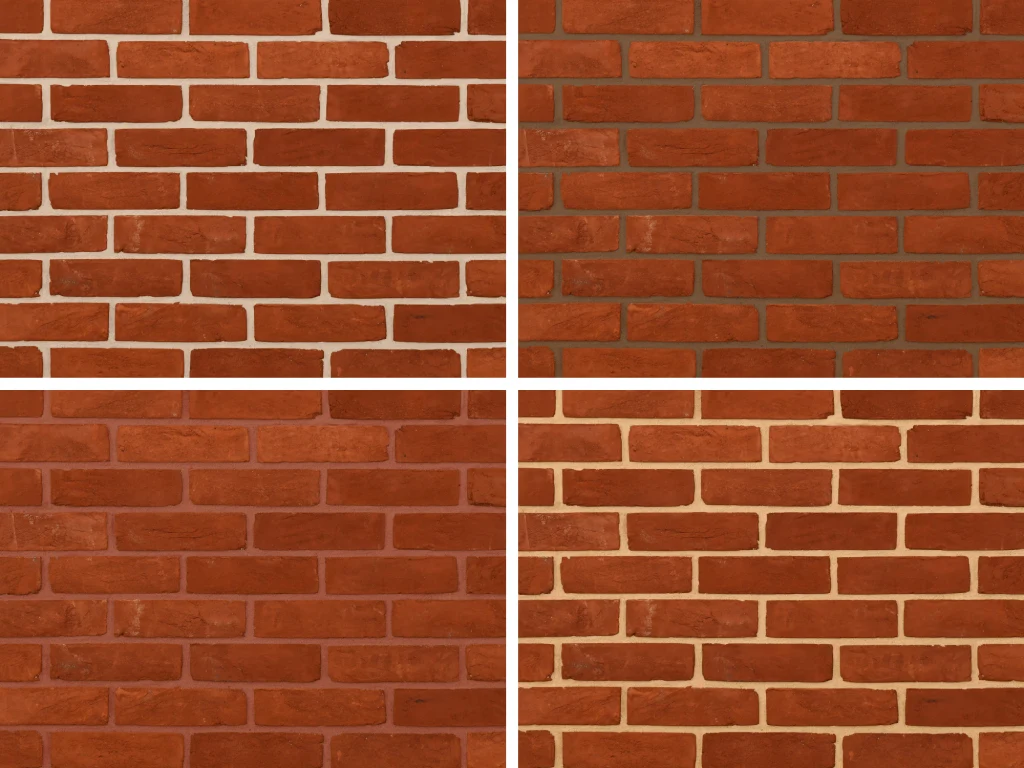
Above: White, charcoal, red and buff mortar colour comparison on red rubber bricks. The same image is used for each, with only the mortar colour changed for clear comparison.
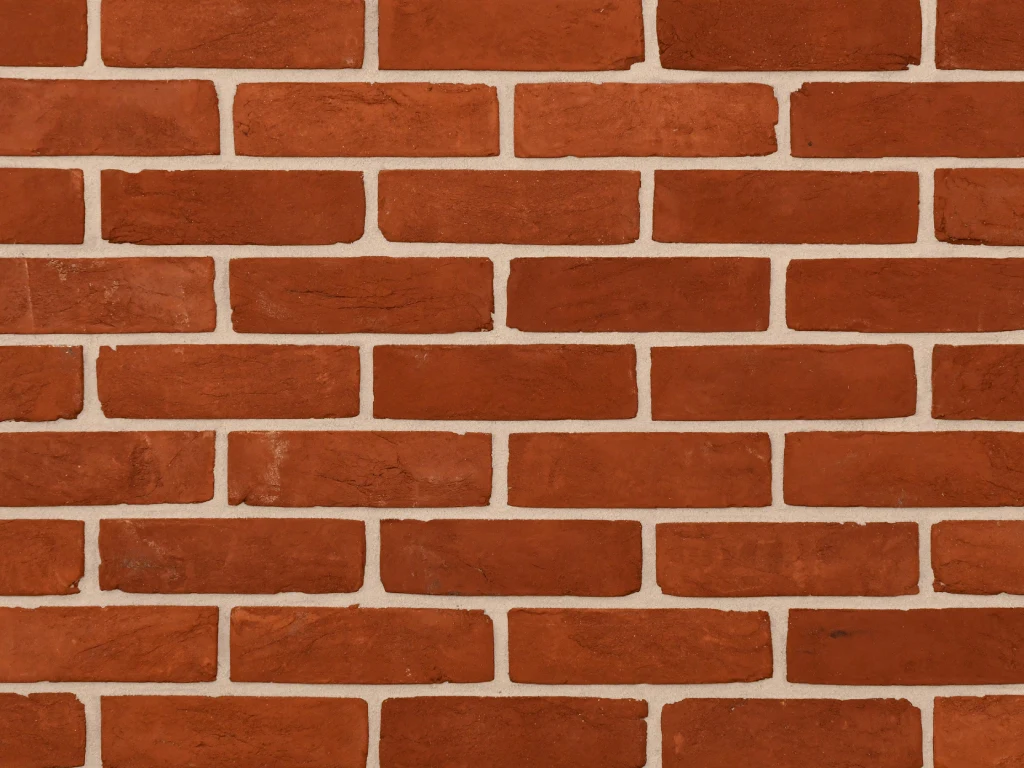
Provides the most contrast, making reds and oranges appear more vivid, but can visibly weather and discolour more than other colours over time, particularly in urban environments.
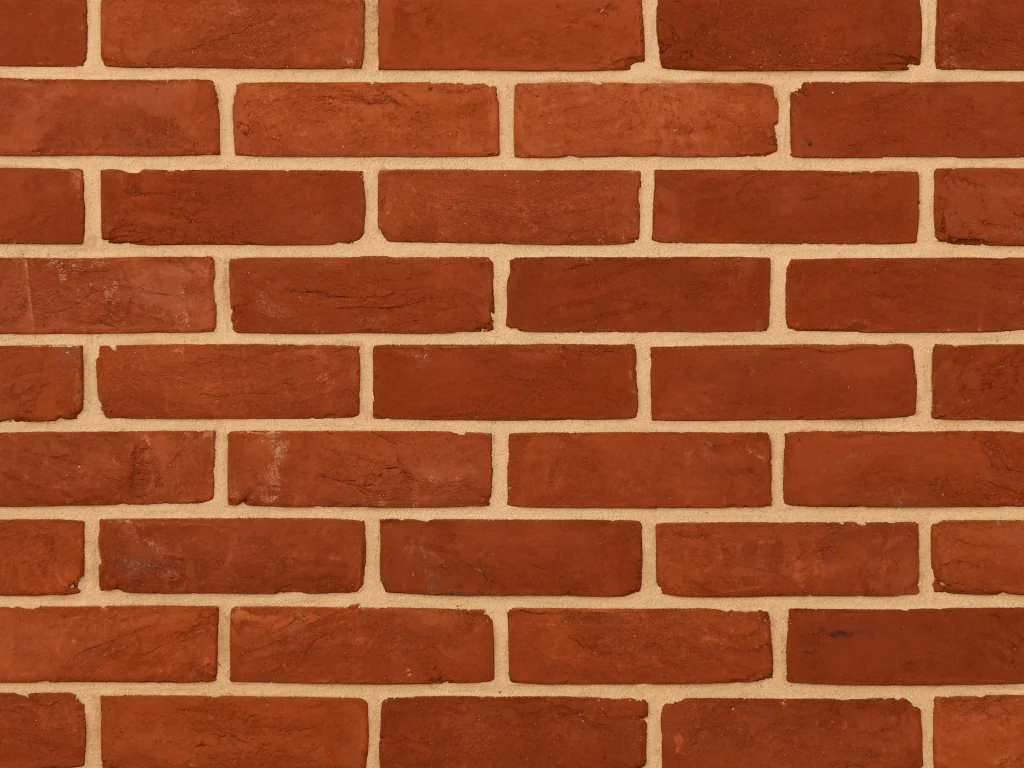
Softer contrast than white, giving a warm, established finish. Often the go-to choice for Midlands and Southern counties, as well as country-style builds where a natural look is preferred.
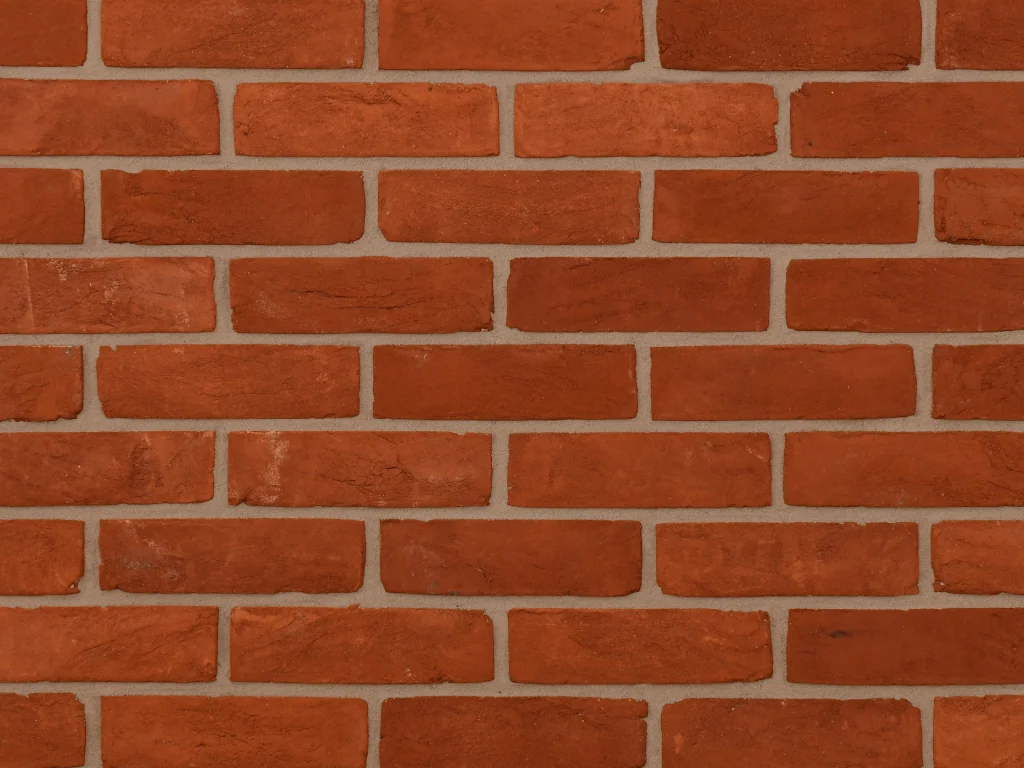
Tones down the warmer hues slightly, providing a classic appearance which suits both traditional and modern brickwork.
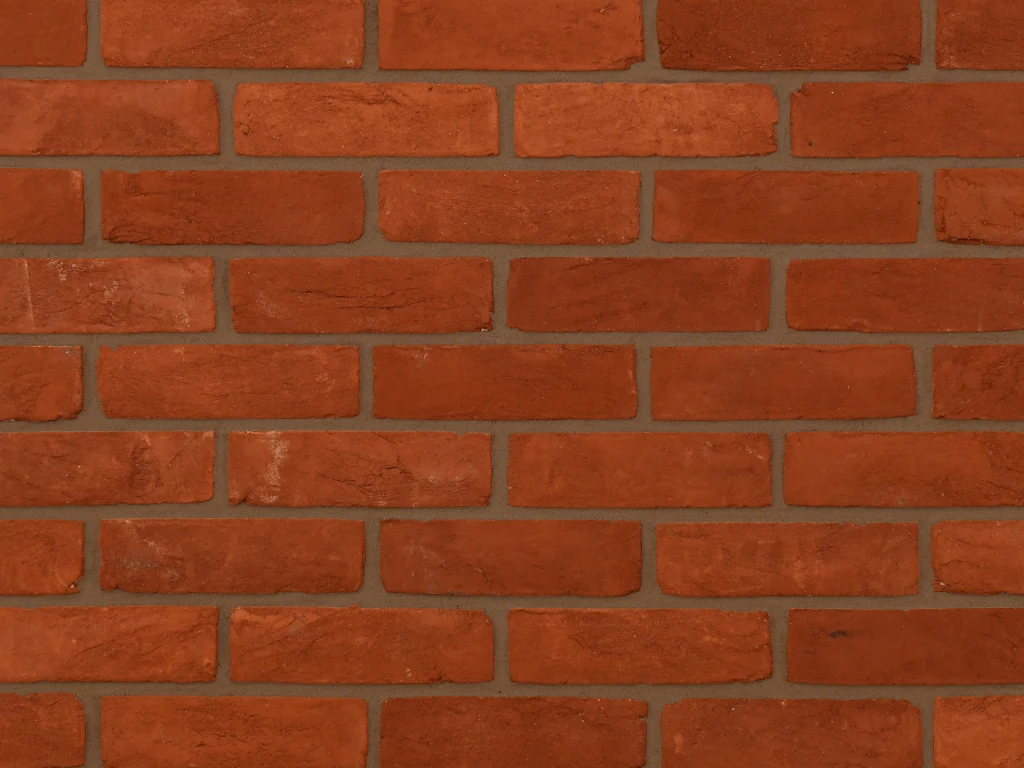
Darkens the overall brickwork to achieve a more uniform, contemporary aesthetic.
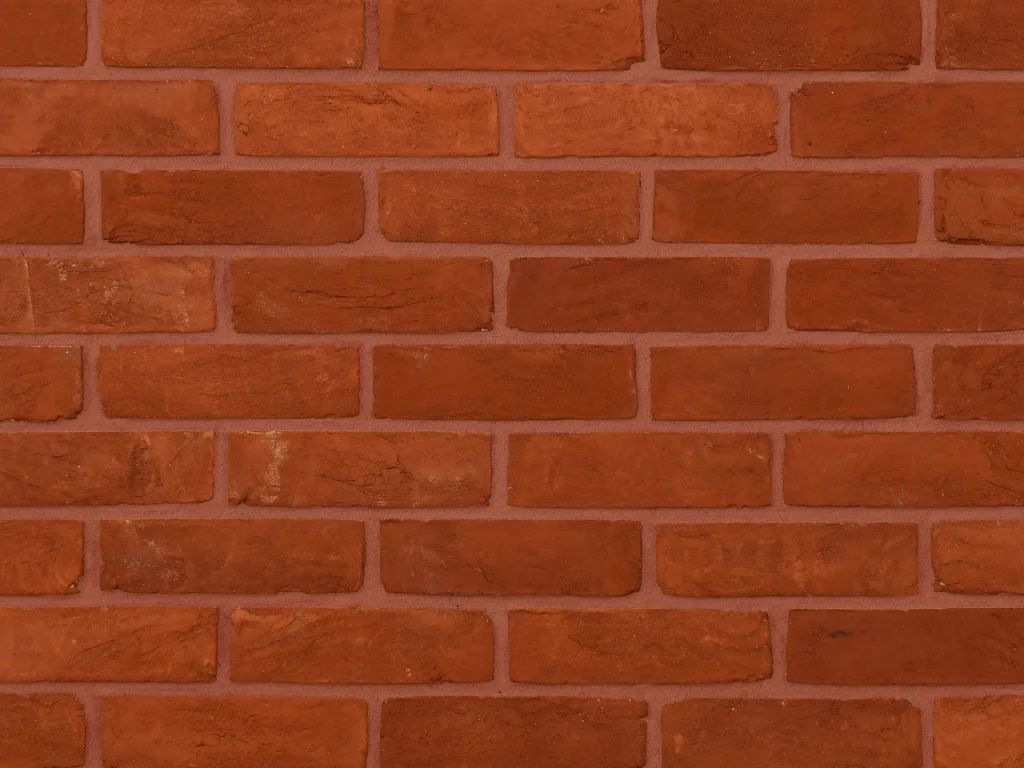
Blends with red and orange bricks for an authentic, consistent look. Typically used for restoration or heritage-style builds; red-tinted mortars were historically used in Victorian brickwork where crushed brick aggregate and iron oxide were added to the mortar mix.
Historically, yellow and buff bricks were paired with buff and cream-tone mortars, particularly in London and East Anglia.
The use of grey and darker shades is a more modern trend and mostly used on contemporary new builds and urban developments.
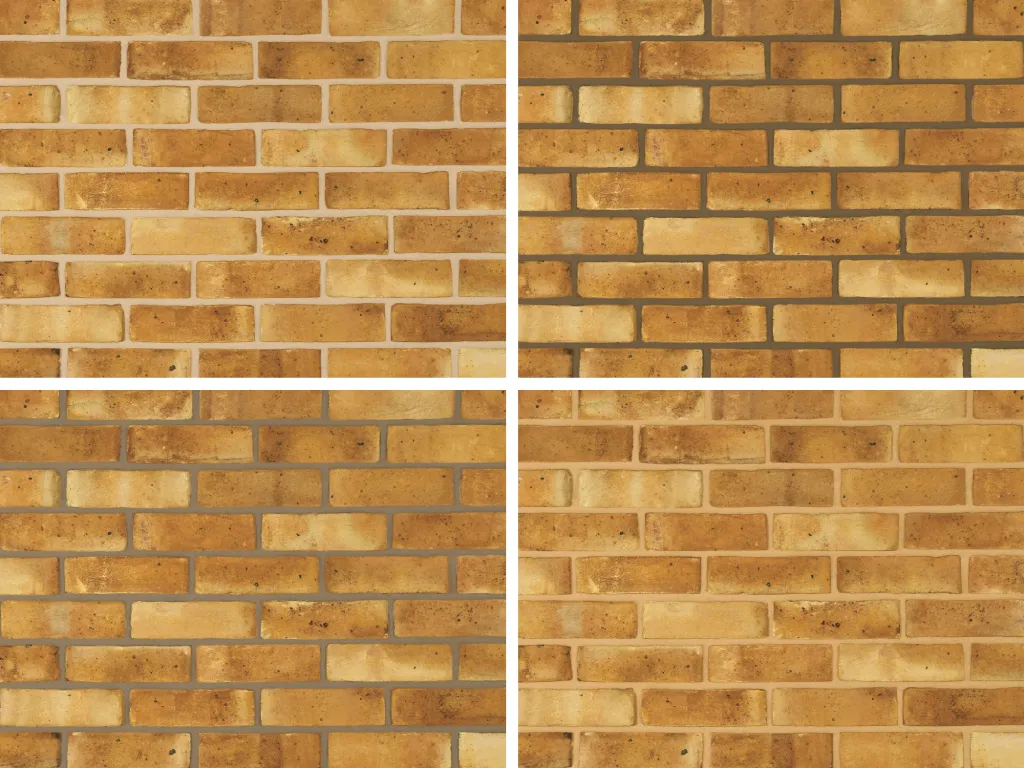
Above: White, charcoal, grey and buff mortar colour comparison on Berkeley Yellow Stock bricks. The same image is used for each, with only the mortar colour changed for clear comparison.
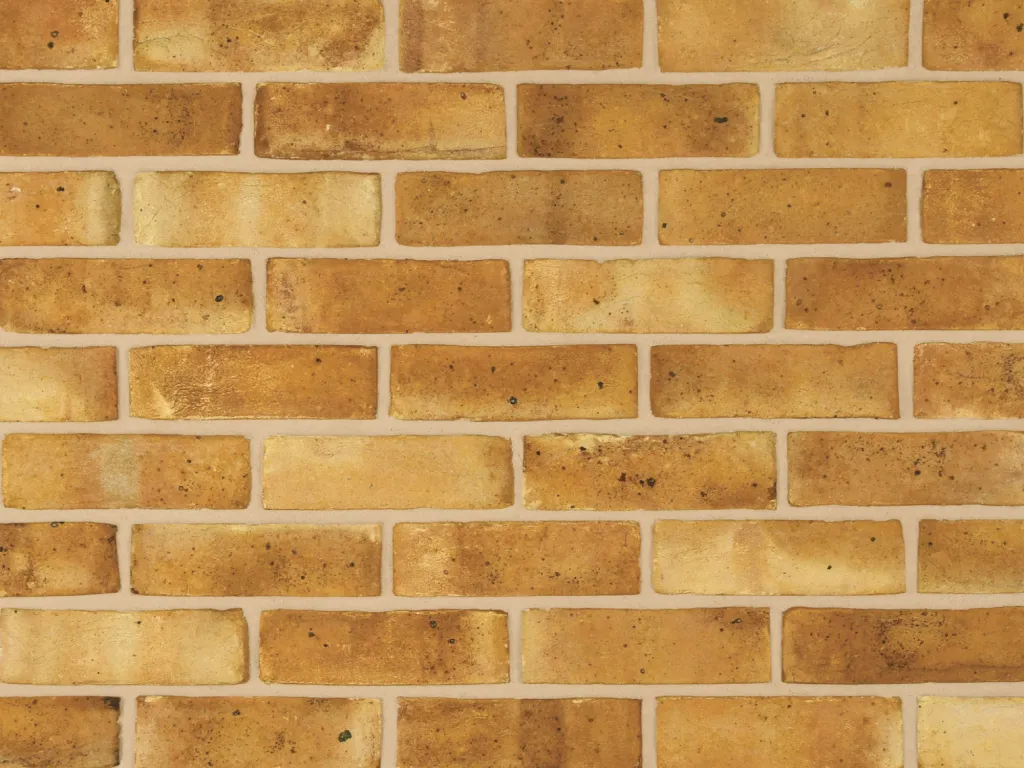
Defines yellow tones so they appear bright and vivid, though isn’t customarily used for yellow bricks.
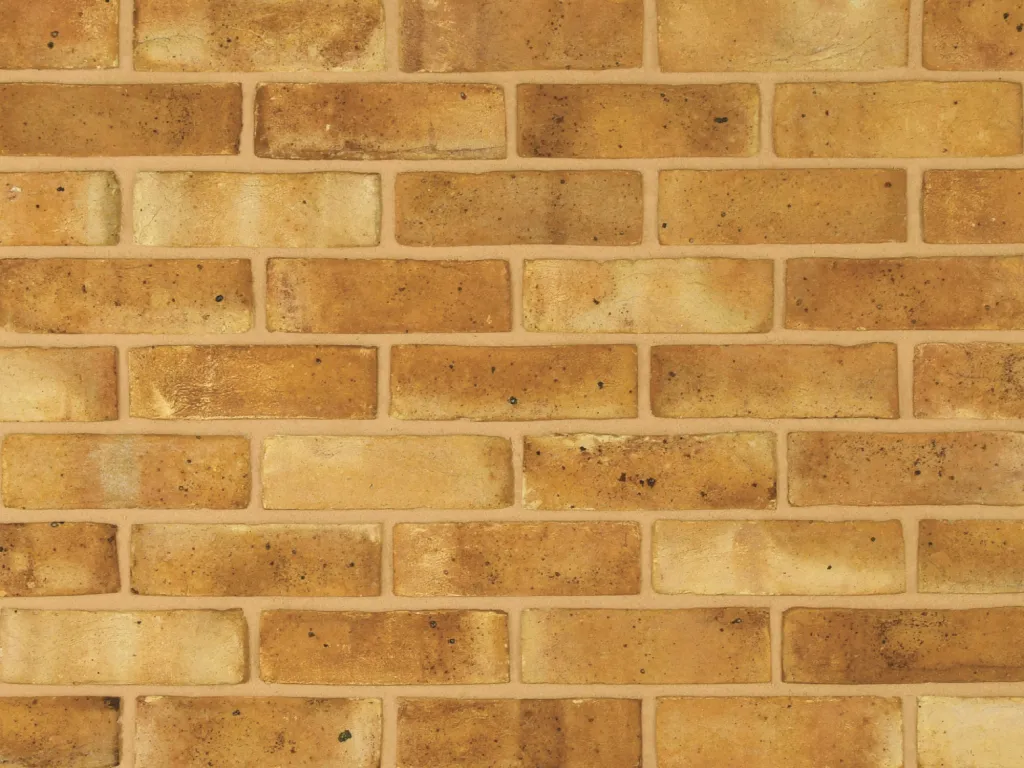
The traditional choice for yellow and buff bricks. Often similar in colour, bricks and mortar appear harmonised. If a paler buff shade is used, the mortar creates warm contrast, making yellow tones stand out and appear brighter.
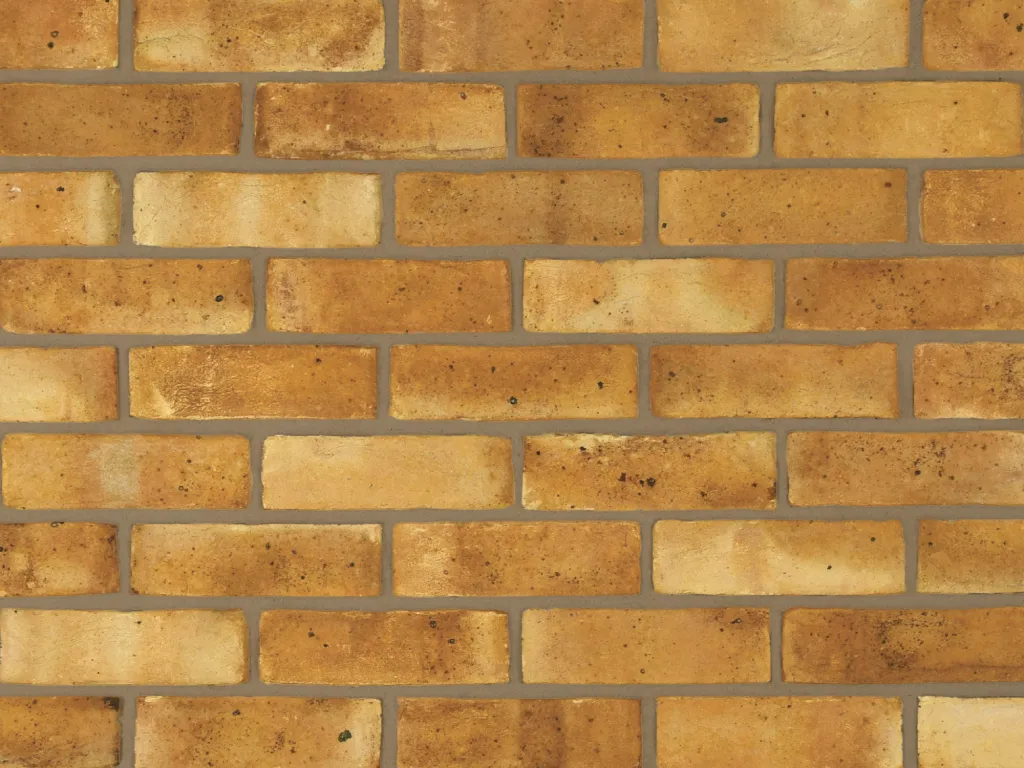
Cools the warm yellow hues for a more contemporary look, making it a popular choice for urban settings.
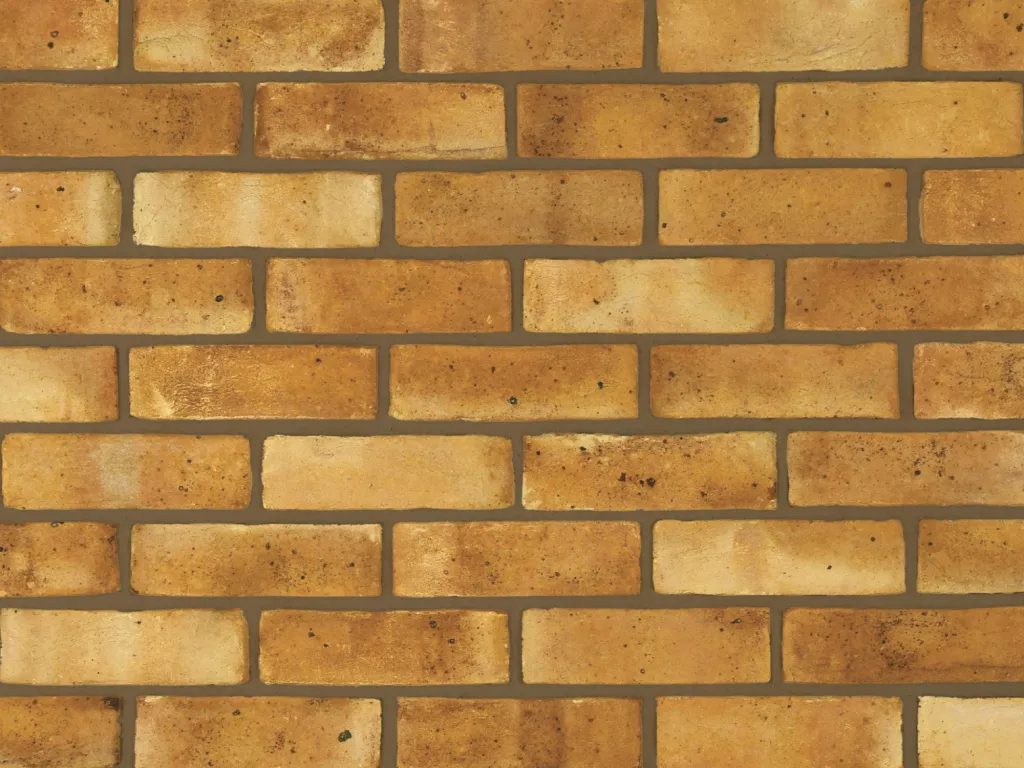
The dark colour suppresses the lighter yellow hues and draws out mid to dark tones, resulting in a rich, bold contrast.
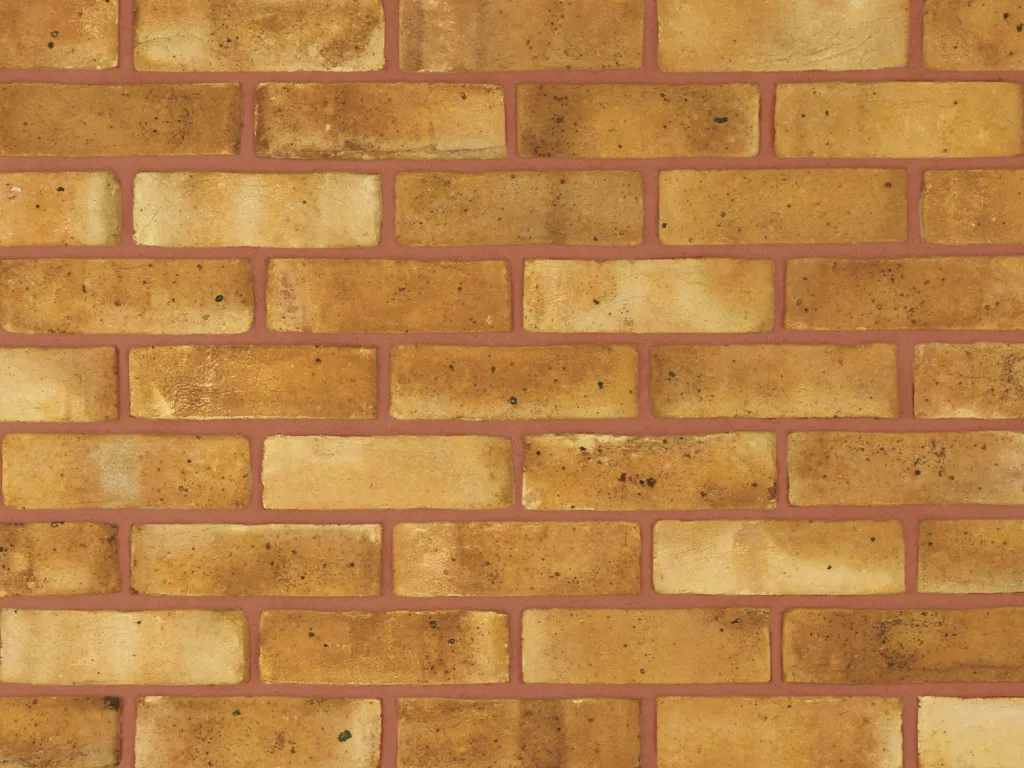
Not recommended for yellow and buff bricks. These are two opposing colours that don’t complement each other, so you’ll rarely, if ever, see it used.
Multi-colour bricks offer the most flexibility for mortar colour choice.
Bricks typically have warm base colours (red or orange) with any combination of darker overburns, pale flashes, purple, blue or grey hues and even weathered or lime finishes – most standard mortar colours combine well.
As with plain red and orange bricks, the choice mainly comes down to preference and any planning or conservation requirements.
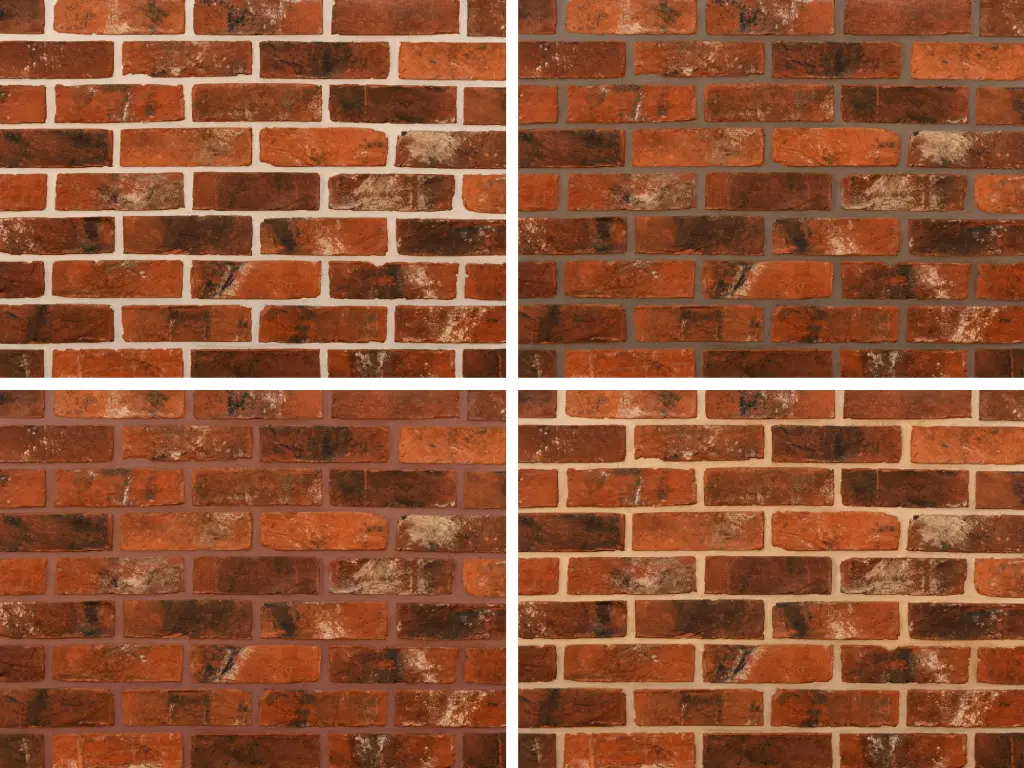
Above: White, charcoal, red and buff mortar colour comparison on Olde Reclamation Shire bricks. The same image is used for each, with only the mortar colour changed for clear comparison.
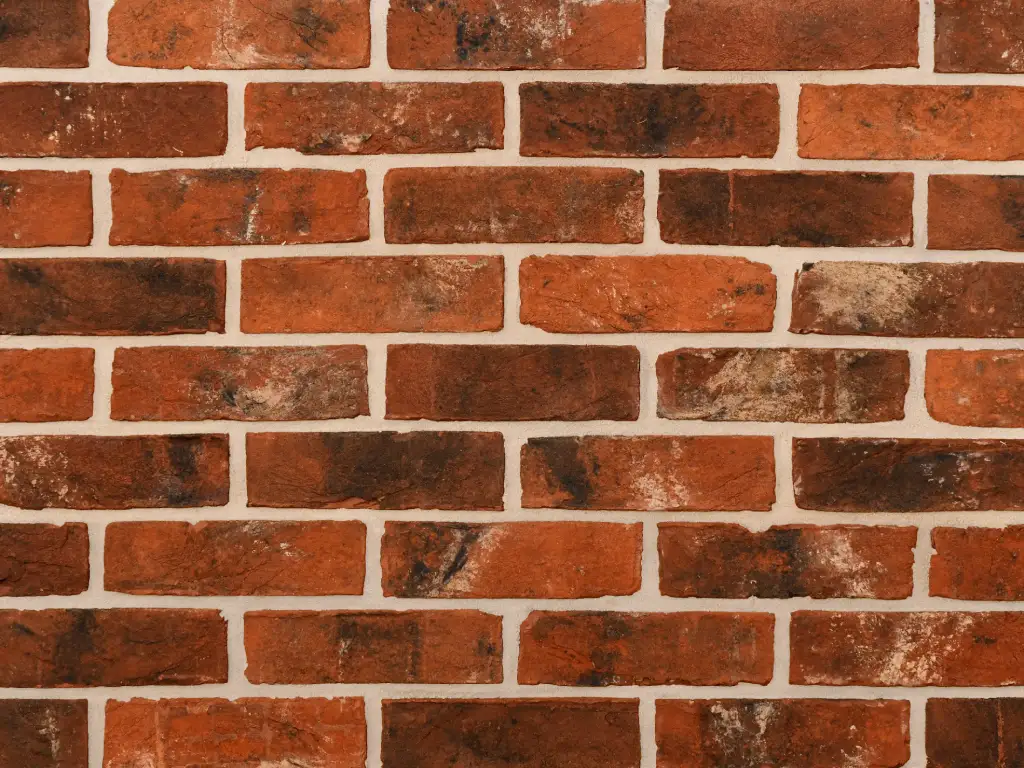
Enhances the full range of brick colours, especially any paler tones, so bricks appear vivid and bright. Just remember white will weather and become more muted over time, so a pale buff or grey may be preferable.
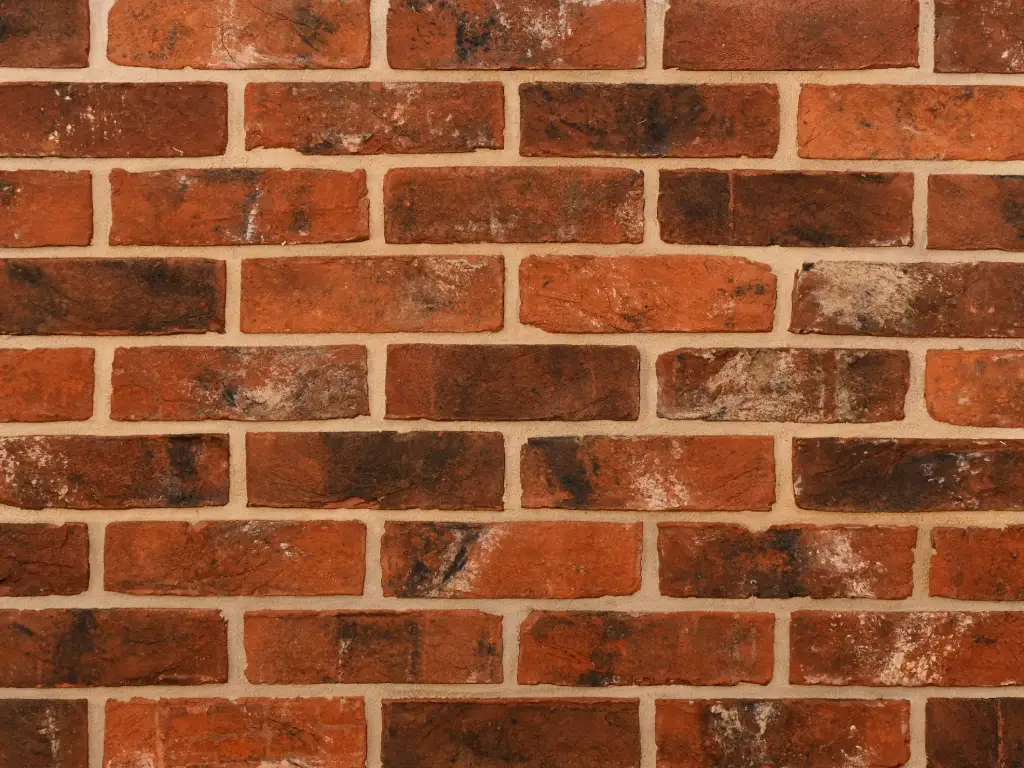
Brightens colours and creates a warm finish. A more natural, softer alternative to white that still brings out those paler shades, without the concern of long-term weathering.
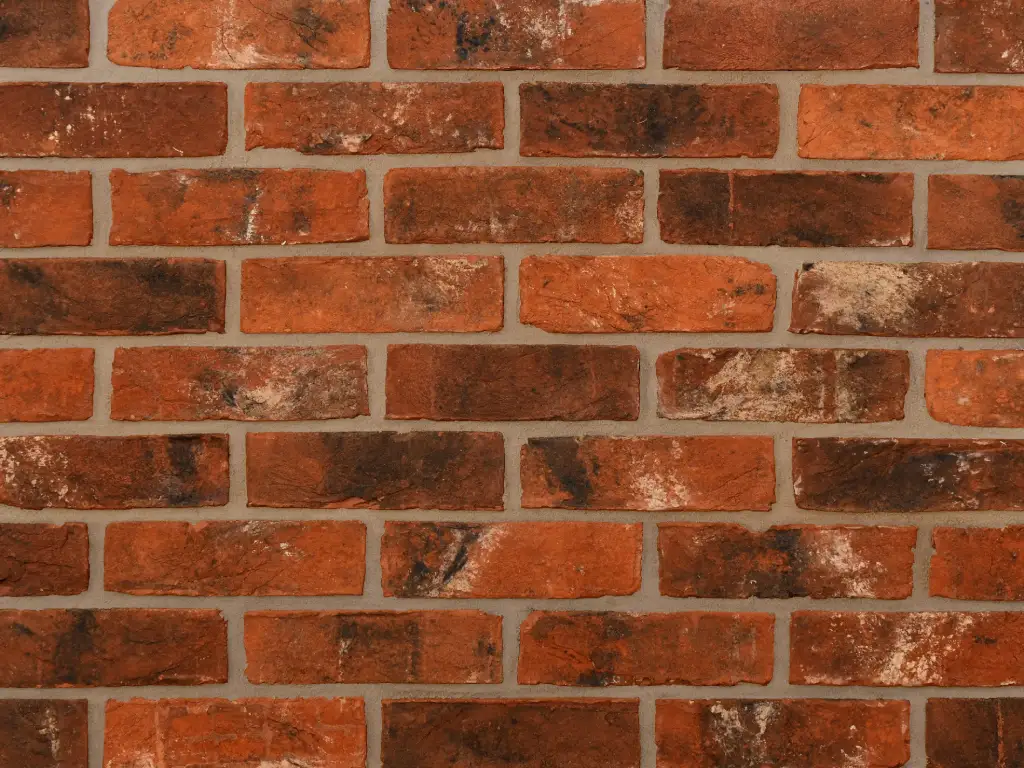
Tones down lighter flashes and brings mid-tones forward, creating a balanced appearance. Works well for both traditional and modern-style brickwork.
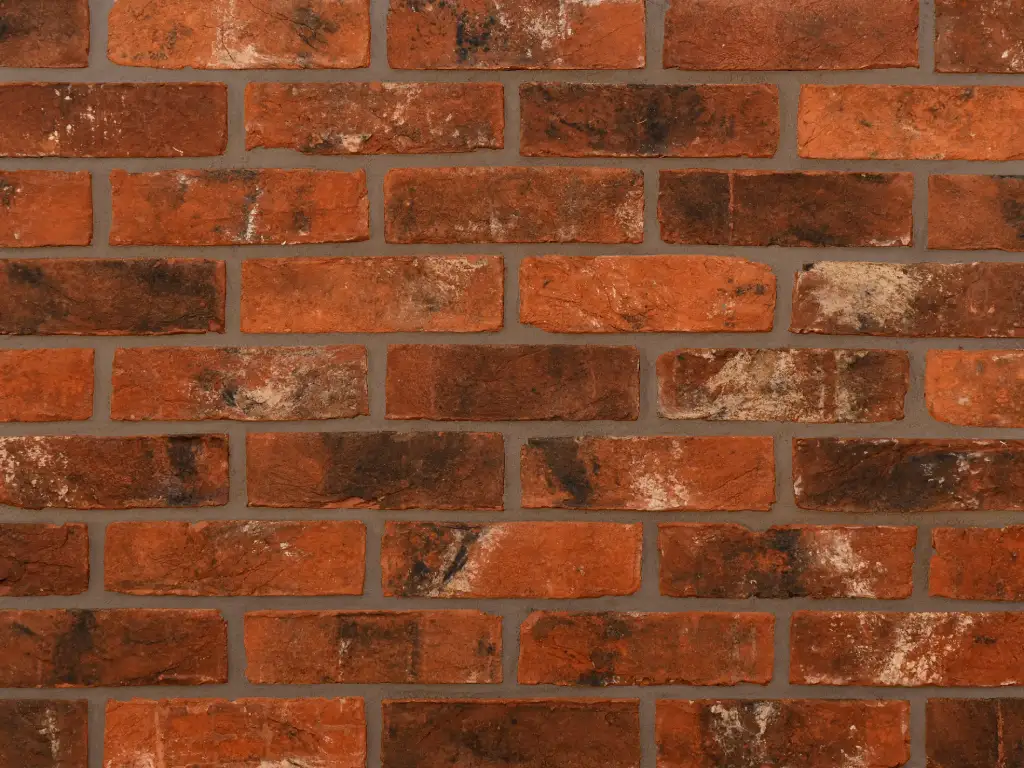
Suppresses lighter tones and adds depth and richness to mid to dark red, orange and brown colours. Any dark overburns or hues are brought forward and become more prominent.
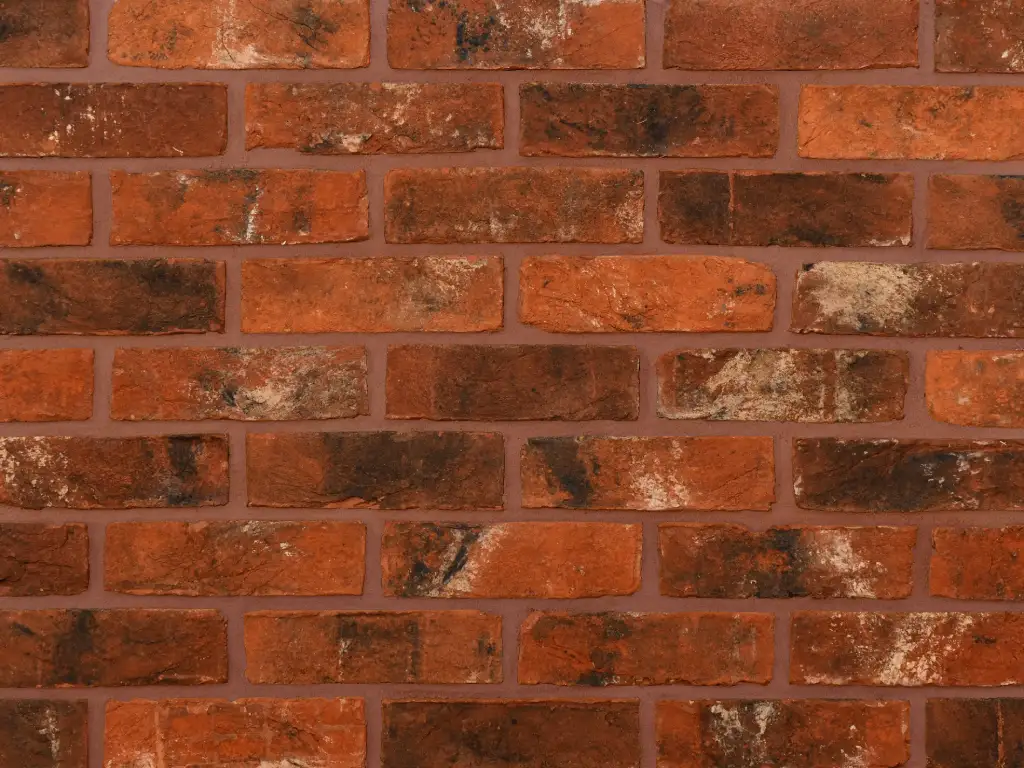
Unifies with red and orange tones in the bricks for a consistent, blended look across the finished brickwork.
Mortar colour choice for dark and weathered bricks primarily depends on one question: do you want to create contrast, or blend in?
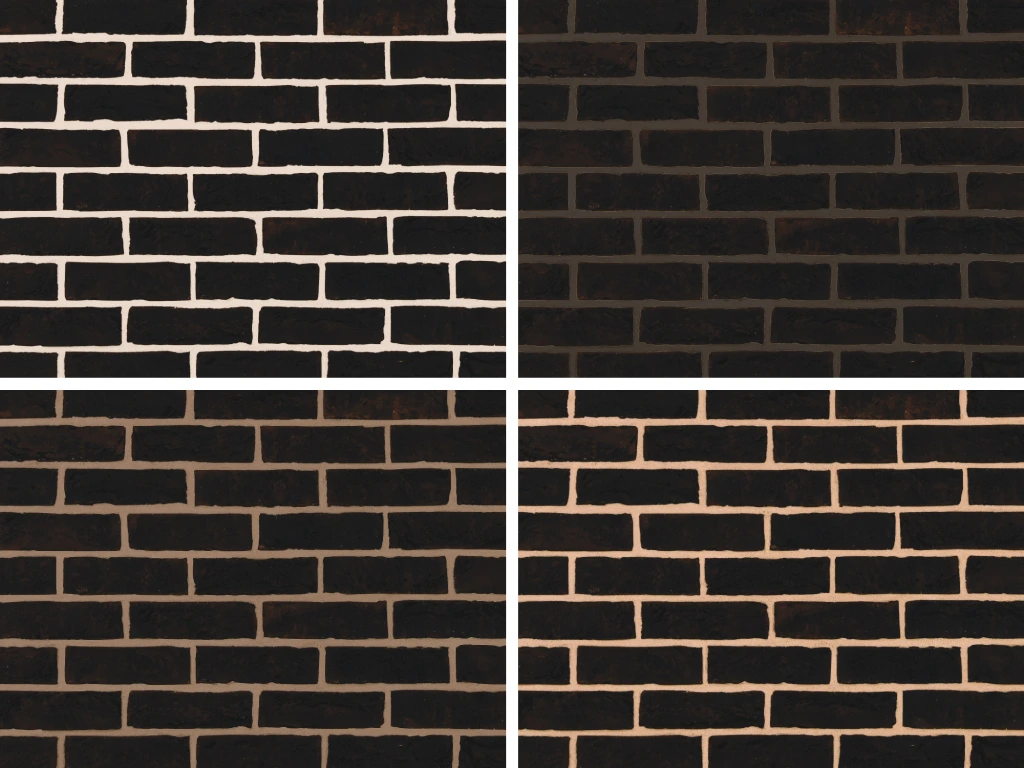
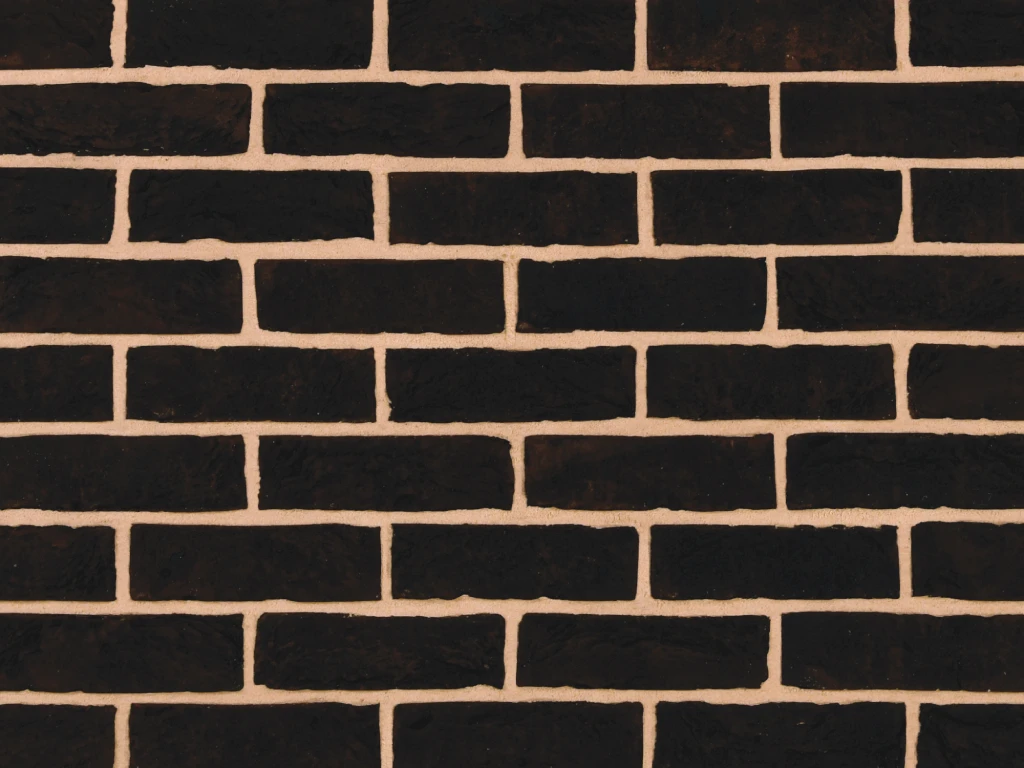
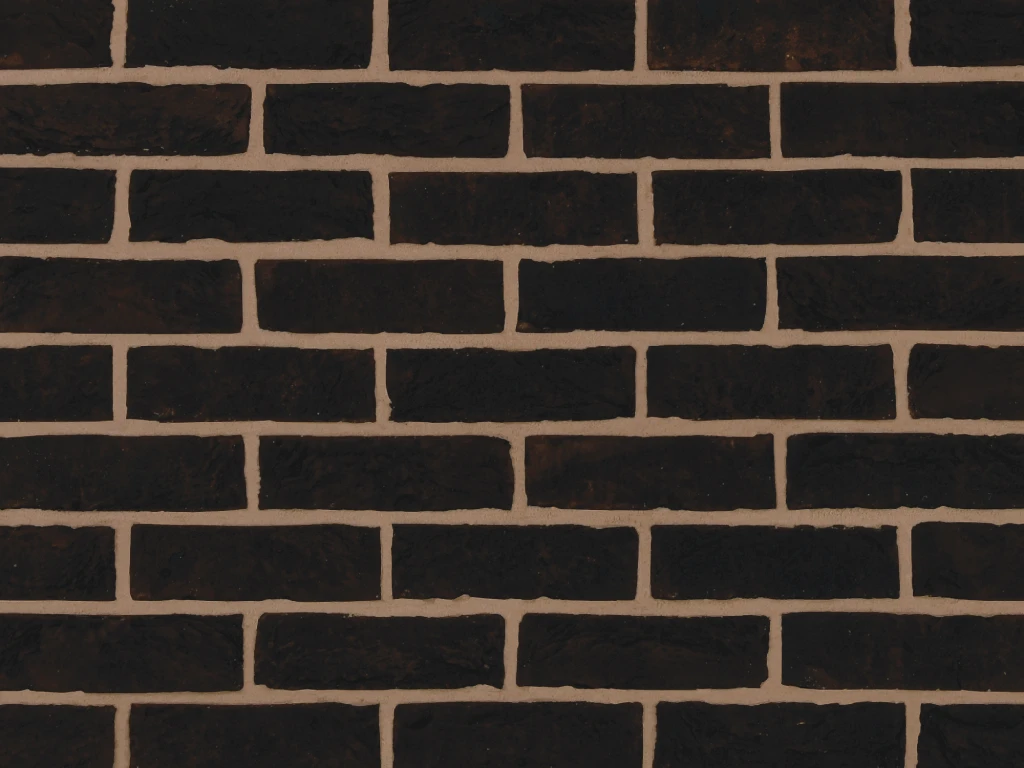
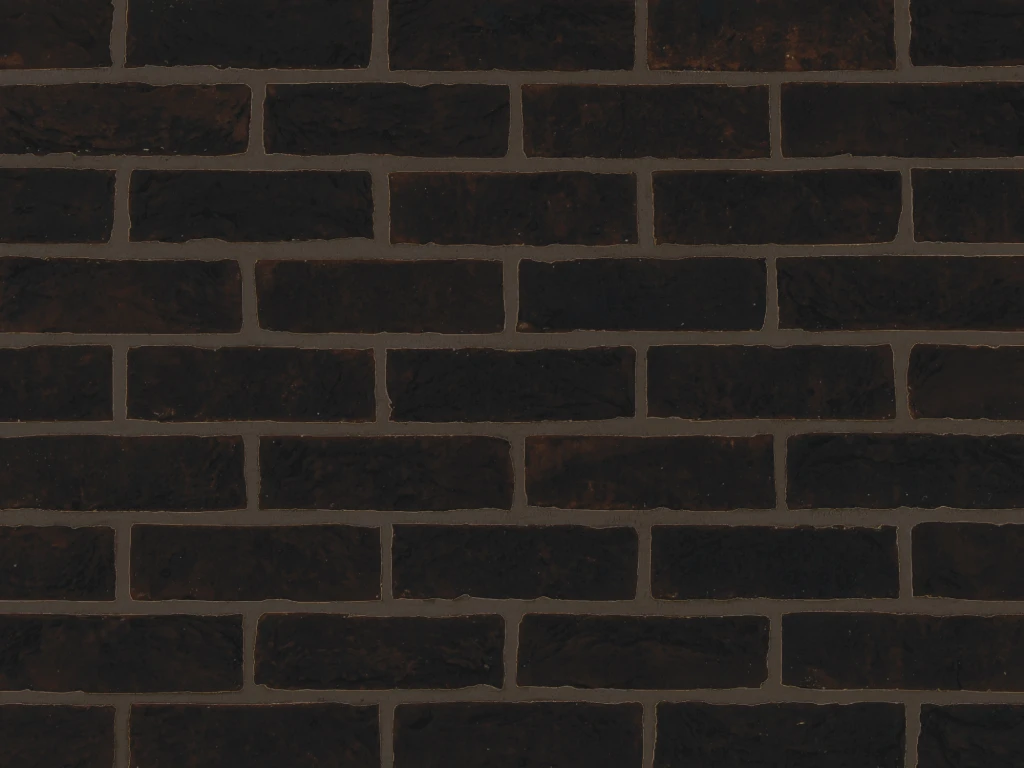
Above: White, charcoal, grey and buff mortar colour comparison on Sapphire Black bricks. The same image is used for each, with only the mortar colour changed for clear comparison.
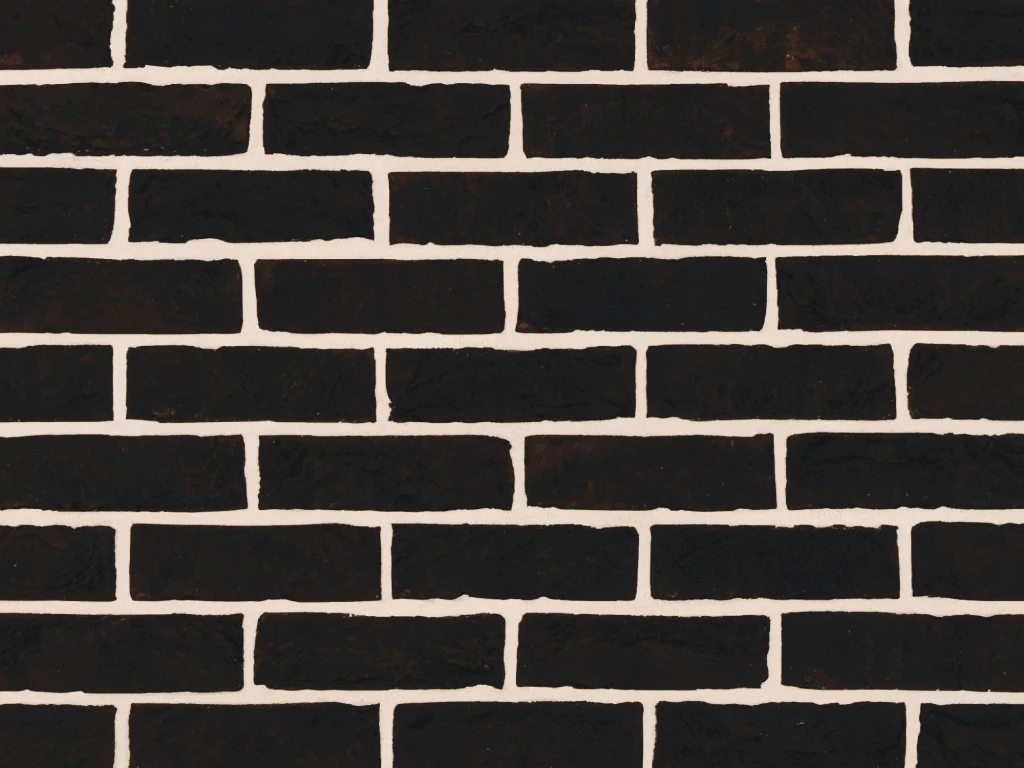
Provides the boldest definition against dark bricks, giving each brick a framed appearance with mortar acting as a border. Just remember that when used on external brickwork, the white will dull over time. For this reason it’s more often used internally.
Offers a warm feel against dark bricks for a softer look. Also works well with brown and earthy tones.
Subtly blends brick and mortar colours, while still retaining some brick definition. Great for an understated aesthetic.
Strongly blends the bricks and mortar, creating a unified, modern look with minimal visible mortar joints. Best suited to contemporary builds.
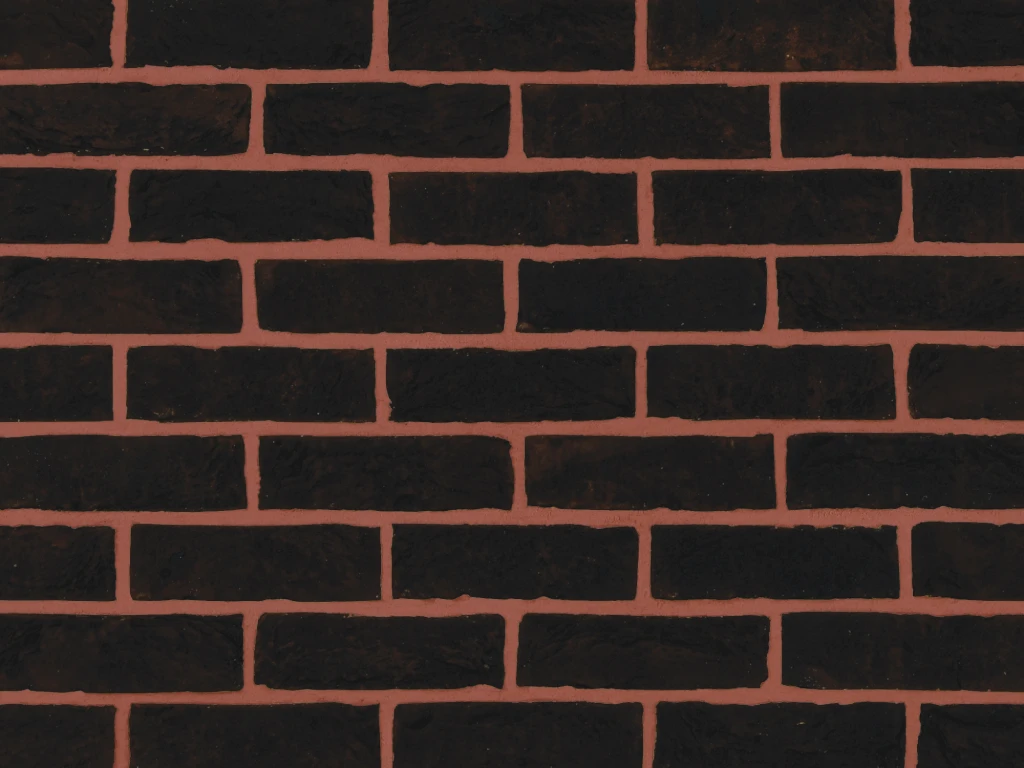
Can work with dark and heavily weathered bricks, but it’s not commonplace. Unless the bricks have a prominently red base colour, the bricks and mortar can conflict, which is unappealing to most.
Besides brick and mortar colours, there are a few other aesthetic considerations to be aware of.
The most commonly used brick bond in the UK is the stretcher bond. All images in this article show this bond for continuity, however, using bonds such as Flemish or English provides more mortar coverage per square metre of brickwork.
Keep this in mind for colour aesthetics; additional coverage of a darker mortar will suppress lighter brick colours more than stretcher bond, and a lighter mortar will further brighten and intensify the bricks. Though if you want to really highlight the brick bond itself, using highly contrasting colours between the bricks and mortar will enhance the pattern greatly.
The standard mortar joint size is 10mm, which is what’s used in our image examples, but be aware that smaller joint sizes mean less mortar colour coverage per square metre of brickwork.
Smaller joints tend to be common in period brickwork for a precise, consistent finish. They minimise colour contrasts, so if you’re planning to use a white mortar with red bricks for example, the visual difference will be less pronounced with less mortar coverage.
The way in which a mortar joint is finished, known as the profile, has an impact on the overall appearance and weathering performance of brickwork.
There are several types of mortar joint profiles. A standard concave profile will provide a slight shadow between the bricks, a flush profile brings the mortar and bricks together for a seamless finish, and more traditional profiles such as weather struck and double struck create significant shadow definition and texture.
The right combination of mortar colour and profile can transform the final appearance of your brickwork, so it’s worth considering alternatives to the standard concave, especially if you’re aiming for a traditional look.
We’ve covered the visual comparisons above, but here are the most common questions we see concerning mortar colour choice.
There are five main mortar colour options for red bricks. The most commonly used are buff and grey mortars, followed by white and red.
Buff creates a warm contrast and gives a traditional feel, while grey shades allow the brick colour to dominate and are typically used in urban areas. White mortar is often used for period detailing due to the strong visual definition it provides, but can be difficult to maintain against natural weathering and ageing of brickwork. Red-tinted mortars blend with the bricks for a uniform look, but tend to be reserved for restoration work or heritage-style builds.
Yes, but it can be expensive and time-consuming. Existing mortar would need to be raked out and the joints re-pointed using a mortar in your chosen colour – a job best left to a masonry or brickwork specialist.
It’s more cost-effective to spend time sampling mortar colours against your chosen bricks before committing to a build.
Many mortar suppliers offer samples, so don’t rely on print or web image colours alone. When you’ve made a choice, we highly recommend building a test panel wall on-site to ensure the colours are exactly what you want and expect. Just remember to wait for the mortar to cure properly first.
The UK is known for its regional brick colours, but some mortar colours are also historically attributed to particular regions. Depending on where you’re building, you may need to use a colour that’s in keeping with the local area.
Here’s a quick overview of where you’ll see typical brick colour and mortar pairings:
| Region/Area | Traditional Brick & Mortar Colour Pairings |
| Midlands | Red and orange bricks with buff or grey mortar |
| North | Red bricks with grey mortar |
| London | Yellow bricks with buff mortar |
| East Anglia | Buff bricks with buff mortar |
| South West | Red and orange bricks with buff or red-tinted mortar |
| Home Counties | Red, orange and multi-colour bricks with buff or red-tinted mortar |
These colour combinations are typical of each area, but unless planning authorities have specified otherwise, or you’re extending an older property and need to match existing mortar, you’ll generally have free rein to choose whichever mortar colour suits your build.
Use this table to shortlist your mortar colour options.
Remember your personal preference, regional conventions and any planning requirements may influence your final choice.
| Brick Colour | Popular Mortar Colour | Alternative Mortar Colour | Colours to Avoid |
| Red/Orange | Buff, Grey | White, Charcoal, Red | None |
| Yellow/Buff | Buff | White, Grey, Charcoal | Red |
| Multi-Colour | Buff, Grey | Any Colour | None |
| Dark/Weathered | Buff | White, Grey, Charcoal | Red |
You should now have a better idea of how mortar colour choice can impact the final look of your brickwork.
As a general guide:
The images we’ve shared are a starting point to decide which mortar colours would suit your bricks. From there, we recommend ordering brick and mortar samples for a real-life comparison.
Once you’ve decided on your final pairing, we highly recommend arranging for your contractors to build a sample panel on-site, then waiting for the mortar to cure properly. This way, you can assess whether you’re truly happy with the final aesthetic, and if needed, check the test panel matches with samples previously signed-off by planning officers.
The examples we’ve given you feature bricks from our range, so if you want the desirable look of traditional bricks, feel free to request samples online.
We also have a specially-selected mortar range to complement our bricks.
Should you need any advice on colour pairings or mortar suitability with our bricks, please get in touch – we’d love to hear from you.